Call For Free Estimate
Call For Free Estimate

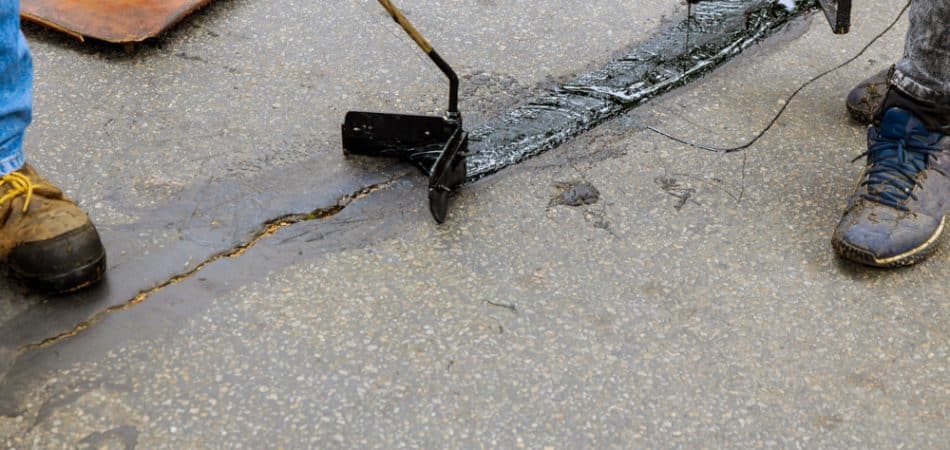
Your concrete surfaces work hard every single day. Driveways take the weight of vehicles. Walkways endure foot traffic, rain, and heat. And in a city like New Orleans, where humidity, heavy rainfall, and extreme temperature shifts are just part of life, that daily wear adds up faster than most homeowners expect. Sealing your concrete isn’t a luxury – it’s one of the smartest protective decisions you can make for your property.
Concrete sealing protects surfaces from moisture, staining, cracking, and weather damage by creating a protective barrier over the porous material. It extends the lifespan of driveways, walkways, and slabs significantly, often by years. Sealing is a cost-effective maintenance step that prevents expensive repairs down the line.
Here’s the deal: concrete looks solid, but it’s naturally porous. Water seeps in. Chemicals from vehicles soak through. Oil leaves permanent stains. And when moisture gets trapped inside and then expands during temperature changes, you get cracking, spalling, and structural weakness over time.
New Orleans makes this worse. The region’s warm, humid climate and frequent rainfall create the perfect conditions for accelerated concrete deterioration. Moisture doesn’t just sit on the surface – it works its way in, weakens the material from within, and invites mold and mildew growth on top. Unsealed concrete in this climate simply doesn’t last as long as it should.
A quality sealant forms a protective layer over the surface that blocks moisture penetration and resists staining. But the benefits go further than just water resistance.
Here’s what professional concrete sealing and coating provides:
That last point matters more than people realize. A sealed driveway or patio requires a fraction of the maintenance effort of an unsealed one.

Don’t wait until you see cracks forming. There are earlier warning signs that your concrete needs attention:
If your concrete shows any of these signs, it’s already absorbing damage. Acting sooner rather than later can prevent minor surface issues from becoming structural problems – and those repairs cost significantly more.
This depends on the type of sealant used, the amount of traffic your surface gets, and weather exposure. As a general guide:
1. Penetrating sealers typically last 3-5 years on driveways with regular vehicle use
2. Acrylic sealers often need reapplication every 1-3 years, especially in high-sun areas
3. Epoxy and polyurethane coatings can last 5-10 years with proper preparation and application
4. High-traffic commercial surfaces may require more frequent inspection and resealing
Regular inspections once a year are a smart habit. Catching early wear before it becomes real damage keeps your maintenance costs predictable and manageable.
The real value of concrete sealing is what you avoid spending later. Repairing cracked or spalled concrete, resurfacing a deteriorated driveway, or addressing foundation moisture issues costs far more than a professional sealing application done at the right time. It’s straightforward math.
At TurnKey Concrete Team, we understand what New Orleans concrete faces year-round. Our team brings local expertise and quality workmanship to every project – whether that’s new concrete installation, restoration work, or concrete sealing and coating services that keep your surfaces in top condition for years to come. We’re rooted in this community, and we take pride in helping homeowners and business owners protect what they’ve built.
Ready to protect your concrete? Contact us today for a complimentary, honest estimate. We’ll assess your surfaces, walk you through your options clearly, and turn your vision into a lasting result.
DIY sealers are available, but professional application ensures proper surface preparation, product selection, and even coverage. Improper sealing can trap moisture or peel prematurely, creating more problems than it solves.
New concrete typically needs to cure for at least 28 days before sealing. Sealing too early traps moisture inside and weakens the surface long-term.
It depends on the product. Penetrating sealers are nearly invisible, while acrylic and coating-based products can add a visible sheen or gloss. Your contractor can show you finish options before committing.
Yes – commercial surfaces take heavy, repeated traffic that accelerates wear. Sealing extends surface life and reduces downtime and repair costs, making it a practical investment for any business property.
 TurnKey Concrete Team
  Apr 21, 2026