Call For Free Estimate
Call For Free Estimate

Stamped concrete patios give New Orleans homeowners the beauty of natural stone, brick, or tile at a fraction of the cost. This guide covers the most popular patterns, color options, and realistic pricing so you can plan a patio that fits your outdoor lifestyle and your budget.
When it comes to outdoor living in the Crescent City, your patio needs to look great and hold up against heat, humidity, and heavy rain. Stamped concrete delivers on both counts. It offers the rich appearance of premium materials like flagstone, cobblestone, or even wood plank while providing a single, sealed surface that resists moisture and settling far better than individual pavers.
At TurnKey Concrete Team, we have helped homeowners across Greater New Orleans transform their backyards with stamped concrete patios that are built to last. Whether you are replacing an aging slab or starting from scratch, stamped concrete gives you design freedom without the premium price tag.
Pattern selection sets the visual tone for your entire outdoor space. Here are the styles we install most often in the New Orleans area:
Ashlar slate is one of the most requested patterns because it mimics the look of hand-cut stone with clean, geometric lines. It pairs beautifully with both traditional Creole-style homes and modern builds. The texture adds subtle dimension without overwhelming the space.
If you love the timeless charm of French Quarter brickwork, a herringbone brick stamp brings that same historic character to your patio. The interlocking V-shaped layout is classic and works especially well alongside older homes in Uptown, Mid-City, and the Garden District.
This cobblestone-inspired pattern creates graceful arcs that add a sense of movement and elegance. European fan stamped concrete works wonderfully around curved walkways, pool decks, and garden seating areas.
Wood plank stamps recreate the look of a real wood deck, complete with grain detail, knots, and plank lines. You get the warm aesthetic of wood with none of the warping, rotting, or termite damage that plagues real lumber in our humid climate.
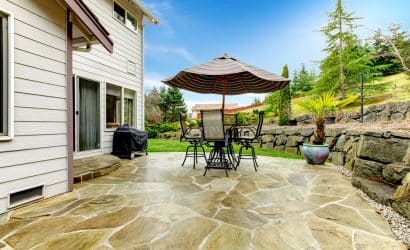
For a more natural, organic feel, random stone and fieldstone patterns replicate the look of irregularly shaped rocks laid by hand. These patterns are ideal for pool surrounds and large patio areas where you want a relaxed, earthy vibe.
Color is where stamped concrete really comes alive. Most projects use a two-tone approach with a base color and an accent or release color that settles into the texture lines for added depth.
Popular base colors in New Orleans include:
Accent colors are typically a shade or two darker than the base. Walnut, dark gray, and chocolate brown are common release colors that highlight the stamp impressions and create realistic shadow effects.
We always recommend choosing colors that complement your home’s exterior, roofline, and landscaping. During your consultation, our team at TurnKey Concrete Team’s stamped concrete service will walk you through color samples so you can see exactly how each option looks against your property.
Pricing for stamped concrete depends on several factors, but it consistently comes in well below the cost of natural stone, pavers, or premium tile. Here is a general breakdown of what influences the final number:
On average, stamped concrete patios in the New Orleans market range from roughly $12 to $20 per square foot installed. Compare that to natural flagstone at $25 to $50 per square foot, and the value becomes clear. For a 300-square-foot patio, most homeowners invest between $3,600 and $6,000 depending on design choices.
Our subtropical climate is tough on outdoor surfaces. Between summer downpours, high humidity, and the occasional tropical storm, your patio material needs to be resilient. Stamped concrete handles these conditions well because it is a single, continuous pour rather than individual units with joints where water can seep in and cause shifting.
Proper sealing is essential here. A quality sealer protects the color from UV fading, prevents moisture absorption, and makes the surface easier to clean. We recommend resealing every two to three years to keep your patio looking fresh. If you want to learn more about protecting your investment, our concrete sealing and coating team can help you choose the right product for your patio.
Before you commit to a pattern and color, keep these practical tips in mind:
A stamped concrete patio can turn your backyard into the outdoor living space you have been dreaming about, and it holds up beautifully in our New Orleans weather. The team at TurnKey Concrete Team is ready to help you choose the right pattern, color, and layout for your home.
Give us a call at 504-294-3820 or visit our contact page to schedule a free consultation. Let’s build something beautiful together.
With proper installation and regular sealing, a stamped concrete patio can last 25 years or more. The key is keeping up with resealing every two to three years to protect the surface from moisture and UV exposure.
Like any concrete, stamped concrete can develop hairline cracks over time, especially if the sub-base was not properly prepared. Control joints are placed strategically during installation to direct any cracking along planned lines where it is less visible.
The texture from the stamp pattern provides more traction than smooth concrete. For areas near pools or frequently wet zones, a non-slip additive can be mixed into the sealer to improve grip even further.
You can typically walk on a stamped concrete patio within 24 to 48 hours after pouring. However, you should wait at least a week before placing heavy furniture and allow the full 28-day cure period before parking vehicles on it.
Absolutely. Stamped concrete is one of the most popular pool deck materials in the New Orleans area. We can pour and stamp new concrete around your pool to create a cohesive, slip-resistant surface that looks fantastic.
Routine maintenance includes sweeping or rinsing off debris, pressure washing once or twice a year, and resealing every two to three years. Avoid using harsh chemical cleaners, as they can strip the sealer and dull the color.
 TurnKey Concrete Team
  Jul 1, 2026