Call For Free Estimate
Call For Free Estimate

Polished concrete floors offer a sleek, low-maintenance surface that works beautifully in both homes and commercial spaces. This guide breaks down the advantages, potential drawbacks, and care routines you need to know before choosing polished concrete for your New Orleans property.
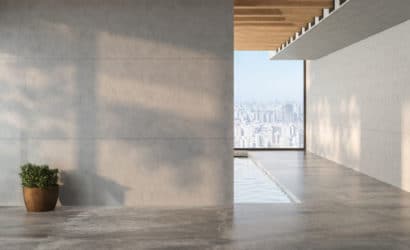
Polished concrete has moved well beyond warehouse floors and industrial lofts. Today, it is showing up in kitchens, living rooms, retail spaces, and restaurants across Greater New Orleans. The appeal is easy to understand: polished concrete is durable, affordable, and incredibly versatile. It can look as refined as marble or as earthy as natural stone, depending on the level of polish and the aggregates exposed during grinding.
At TurnKey Concrete Team, we install and finish polished concrete floors for residential and commercial clients throughout the New Orleans metro area. Whether you are renovating a shotgun home in the Bywater or upgrading a storefront on Magazine Street, polished concrete delivers a floor that looks stunning and performs for decades.
Polishing concrete is a multi-step mechanical process, not a coating. Diamond-segmented tooling is used to grind the concrete surface through progressively finer grits, much like sanding wood. The process typically involves these stages:
The result is a floor that gets its shine from the concrete itself, not from a topical sealer or wax. This is what makes polished concrete so durable compared to coated alternatives.
Polished concrete is one of the hardest flooring surfaces you can install. It resists scratches, dents, and heavy foot traffic without wearing down the way softer materials do. For busy households with kids and pets or commercial spaces with constant use, that toughness matters.
Forget waxing, stripping, and recoating. Polished concrete floors only need regular dust mopping and occasional wet mopping with a neutral pH cleaner. There is no sealer to reapply and no grout lines to scrub. This makes it one of the easiest floors to maintain over the long run.
In a city where humidity levels regularly exceed 80 percent, flooring that resists moisture is a major advantage. Polished concrete does not absorb water the way wood or carpet does, and it will not warp, swell, or grow mold. This is a significant benefit for New Orleans homeowners dealing with our subtropical conditions year-round.
Concrete has natural thermal mass, meaning it absorbs and slowly releases heat. In the summer, polished concrete floors stay cool underfoot, which can help reduce cooling costs. In the winter, they retain warmth from sunlight streaming through windows.
Polished concrete is not limited to a single look. By adjusting the level of grinding, you can expose fine sand, medium aggregate, or large decorative stones within the mix. Add stains or dyes and you have a virtually unlimited palette. The finish can range from a soft matte to a glass-like shine. Our polished concrete specialists will help you find the exact look that fits your space.
While the upfront cost of polished concrete is comparable to mid-range flooring options, its lifespan and minimal maintenance needs make it far less expensive over 10 to 20 years. You will never need to replace it the way you would carpet, vinyl, or laminate.
There is no getting around the fact that concrete is a hard surface. Standing for long periods can cause fatigue, and dropped items like glassware will almost certainly break. Area rugs and anti-fatigue mats in kitchens and workspaces solve this for most people.
While polished concrete’s coolness is welcome during our long, hot summers, it can feel chilly on bare feet during the cooler months. Radiant floor heating is an option for those who want warmth, and strategically placed rugs offer a simpler solution.
Although densified polished concrete resists most stains, acidic liquids like wine, lemon juice, or vinegar can etch the surface if left sitting. Wiping up spills promptly prevents any lasting damage.
Polishing concrete requires specialized equipment, diamond tooling, and experience to achieve a consistent, professional result. This is not a weekend project for the average homeowner. Hiring qualified professionals ensures your floor looks flawless and performs as expected.
One of the biggest selling points of polished concrete is how little upkeep it requires. Here is a straightforward maintenance routine that will keep your floor looking its best for years:
If your existing concrete floor has seen better days and you are considering options beyond polishing, concrete repair and restoration may be a smart first step to get the slab in shape before finishing.
If you want a floor that is beautiful, easy to care for, and built to last in the New Orleans climate, polished concrete deserves serious consideration. It works in nearly every setting, from a cozy Marigny cottage to a bustling Warehouse District restaurant.
The team at TurnKey Concrete Team is ready to walk you through your options, show you finish samples, and deliver a floor you will love for decades. Call us at 504-294-3820 or visit our contact page to get started today.
Polished concrete floors can last a lifetime with proper maintenance. Because the shine comes from the concrete itself rather than a coating, there is no finish to wear off. Periodic burnishing keeps high-traffic areas looking fresh.
Despite their glossy appearance, polished concrete floors actually meet or exceed the recommended slip-resistance standards for commercial and residential use. The densifying process creates a surface with good traction, and anti-slip conditioners can be added for extra safety.
In most cases, yes. As long as the slab is structurally sound and free of major cracks or damage, existing concrete can be ground and polished to a beautiful finish. We will evaluate your floor during a consultation to confirm it is a good candidate.
Polished concrete typically costs between $3 and $12 per square foot, depending on the level of polish, any staining or dyeing, and the condition of the existing slab. It is competitively priced with hardwood and tile when you factor in its longevity and low maintenance.
No. Unlike other concrete finishes, polished concrete does not require a topical sealer. The densifier applied during the polishing process fills the pores and hardens the surface, providing built-in protection against moisture and staining.
Polished concrete is primarily an interior flooring solution. Outdoor surfaces are exposed to moisture, UV rays, and temperature swings that can compromise the polish over time. For outdoor areas, stamped or sealed concrete is typically a better choice.
 TurnKey Concrete Team
  Jul 8, 2026