


Call For Free Estimate
Call For Free Estimate

Louisiana commercial foundations must comply with the 2021 International Building Code (IBC) as adopted by the state, along with local amendments such as New Orleans’ pile foundation requirements, FEMA flood zone elevation standards, and ADA accessibility mandates. Understanding these codes before breaking ground helps avoid costly delays, failed inspections, and structural hazards.
If you are planning a commercial construction project in Louisiana, one of the most important steps happens before the first shovel hits the ground. Foundation building codes exist to protect both the structure and the people who use it, and Louisiana has a unique set of requirements shaped by the state’s soil conditions, flood exposure, and hurricane risk. At TurnKey Concrete Team, we help business owners and developers navigate these requirements with confidence.
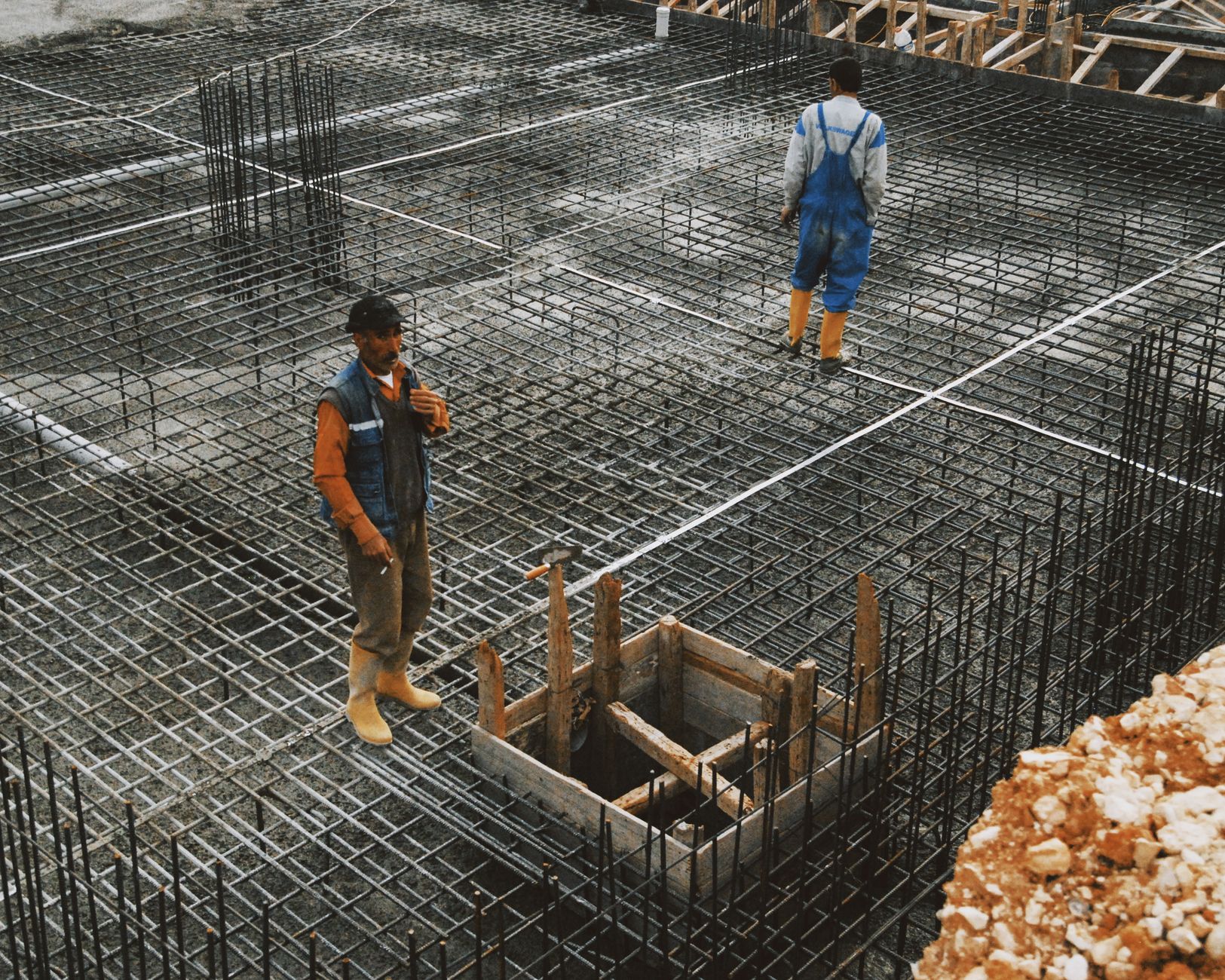
Louisiana adopted the 2021 International Building Code (IBC) as its statewide standard for commercial construction. This means every commercial foundation in the state must meet the structural, material, and safety benchmarks set by the IBC, plus any Louisiana-specific amendments. Chapter 18 of the IBC covers soils and foundations in detail, addressing everything from soil investigation requirements to deep foundation design. For anyone comparing residential and commercial options, our guide on slab vs. pier foundations in New Orleans offers helpful context.
The state requires a licensed geotechnical engineer to perform soil testing before commercial foundation work begins. This investigation determines soil bearing capacity, identifies problematic clay layers, and measures the depth of the water table. In south Louisiana, where soft alluvial and expansive clay soils are common, these tests frequently reveal conditions that call for deep foundation systems rather than simple spread footings.
New Orleans has adopted additional local amendments that go beyond the state code. One of the most significant is the city’s requirement for pile foundations in many commercial applications. Because much of New Orleans sits on soft, compressible soils with a water table often just one to two feet below the surface, the city’s Department of Safety and Permits frequently mandates driven piles or drilled shafts to reach stable bearing strata. This requirement applies to most commercial structures and
 TurnKey Concrete Team
 May 6, 2026