Call For Free Estimate
Call For Free Estimate

Choosing between a slab and pier foundation in New Orleans depends on your property’s flood zone, soil conditions, and long-term budget. Pier and beam foundations have been the traditional choice for the region’s expansive clay and high water table, while slab foundations offer lower upfront costs but face real challenges in Louisiana’s shifting soils. Here is what every New Orleans homeowner needs to know before making this critical decision.
New Orleans sits on some of the most challenging soil in the country. The city’s mix of heavy clay, silt, and organic sediment from the Mississippi River delta creates a foundation environment that demands careful planning before you break ground or evaluate an existing home’s structural base.
At TurnKey Concrete Team, we work with New Orleans homeowners every day to build foundation solutions designed for Louisiana’s demanding conditions. This guide covers the facts you need to make a confident decision.
A slab foundation is a single layer of concrete, typically four to six inches thick, poured directly onto compacted ground and reinforced with steel rebar or mesh. The structure sits at or near ground level with no crawl space beneath it.
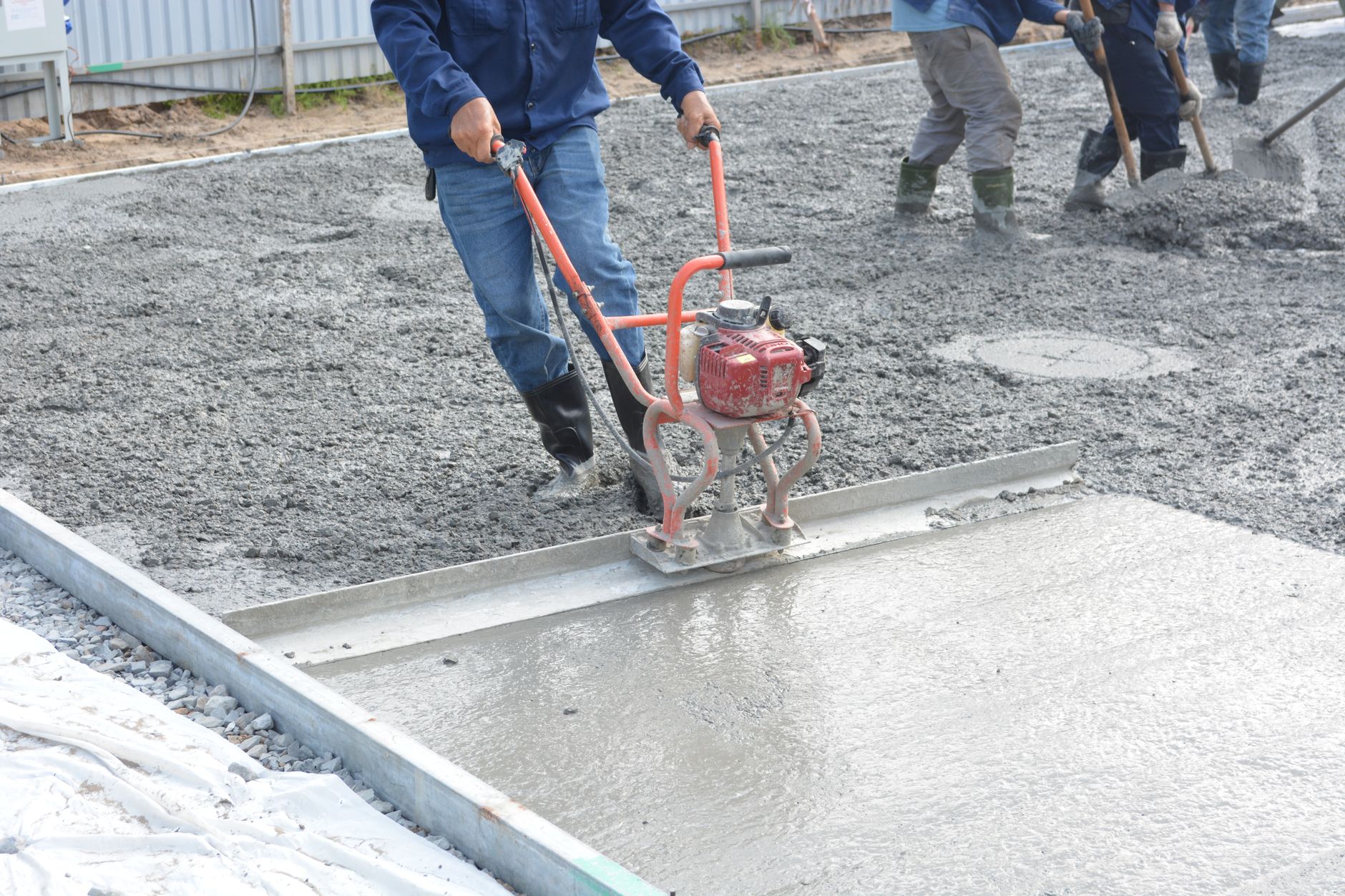
For New Orleans homes, concrete slab foundations offer clear advantages. Construction is faster and upfront costs run lower, typically between $7 and $12 per square foot for a reinforced slab. There is no crawl space to maintain, which reduces concerns about moisture buildup and pest entry.
However, slabs face real challenges on New Orleans soil. The city’s expansive clay swells when saturated and shrinks during dry spells, creating constant movement that leads to cracking and uneven settling. With the water table sitting just one to two feet below the surface, hydrostatic pressure compounds the problem. Plumbing or electrical repairs beneath a slab require cutting through concrete, adding significant cost and disruption.

A pier and beam foundation uses concrete piers or pilings driven deep into the ground, with horizontal beams supporting the home above. In New Orleans, pressurized pilings are often pressed 70 feet or deeper to reach stable clay layers below the problematic topsoil. This creates a crawl space that provides access to plumbing, electrical, and HVAC systems.
Pier foundations have a long track record in this region. The city’s historic shotgun houses and Creole cottages have stood on piers for over 150 years, proving the design’s resilience in Louisiana’s environment. If settling occurs, pier foundations can be shimmed and releveled at far less cost than repairing a cracked slab.
The tradeoff is higher upfront cost. Pier and beam installations typically run $6 to $15 per square foot nationally, and New Orleans pricing trends higher due to the extreme pile depths local soil demands.
New Orleans soil is the single biggest factor in your foundation decision. The ground beneath the city is a layered mix of clay, silt, sand, and peat, all prone to movement. Louisiana receives roughly 60 inches of rainfall annually, keeping the clay in a near-constant state of expansion and contraction.
What many homeowners do not realize is that parts of New Orleans are actively sinking. Research from NASA and Tulane University has documented subsidence rates exceeding two inches per year in some neighborhoods. Slabs are particularly vulnerable to this because they cannot be adjusted once poured. A pier foundation, by contrast, can be releveled as the ground shifts.
If you are already noticing uneven floors, sticking doors, or visible cracks, learning how to diagnose and fix common concrete issues is an important first step. Addressing foundation problems early prevents far more costly structural repairs later.
For homeowners in FEMA flood zones, and that covers much of New Orleans, foundation choice directly impacts flood insurance premiums. Pier and beam foundations elevate the home above the Base Flood Elevation (BFE), which is the minimum height FEMA requires in flood-prone areas.

Homes elevated above the BFE often qualify for significantly lower flood insurance rates. With the average New Orleans flood insurance premium around $636 per year, the long-term savings from a properly elevated pier foundation can offset the higher construction cost. FEMA-approved flood vents in crawl spaces and elevated HVAC panels can unlock additional mitigation credits.
Slab foundations, sitting at or near ground level, face higher flood insurance costs and greater flood exposure. In Zone AE and Zone VE areas, local codes may require elevation above the BFE, making a raised foundation the only compliant option. Protecting your concrete investment through proper concrete sealing and coating is equally important regardless of foundation type.
Louisiana follows the International Residential Code (2021 Edition) with state-specific amendments. The code requires exterior footings at least 12 inches below undisturbed ground surface. But New Orleans has a critical additional requirement that many homeowners overlook.
The City of New Orleans amendments require foundations to be supported on piles unless a geotechnical analysis specifically recommends otherwise. This makes pile-supported foundations essentially the default for new construction in the city. Before choosing any foundation type, a professional soil test is strongly recommended for your specific lot.
For guidance on navigating concrete foundation requirements in the New Orleans area, working with an experienced local contractor ensures your project meets code from day one. Call TurnKey Concrete Team at (504) 294-3820 to discuss your specific property and foundation needs.
The best foundation for your New Orleans home depends on several factors. Here is a practical breakdown.
A slab foundation may work when:
A pier and beam foundation is the stronger choice when:
In many cases, the answer for New Orleans properties points toward pier and beam construction, given the soil conditions, flood exposure, and building code requirements. That said, every lot is different, and a proper soil test is always the best starting point.
Understanding the benefits of professional concrete installation helps ensure whichever foundation you select is built to last. Quality materials and a contractor who knows local ground conditions separate a foundation that holds up for decades from one that develops problems within a few years.
Whether your project involves a residential concrete foundation for a new home, repairs on an existing property, or concrete work like sidewalk maintenance, the right contractor makes all the difference. Investing in proactive concrete care protects your foundation and property value for years to come.
Ready to discuss your foundation project? Contact TurnKey Concrete Team for a free consultation on the best foundation solution for your New Orleans property.
A slab foundation is a flat layer of reinforced concrete poured directly on the ground, while a pier and beam foundation uses deep pilings with beams to elevate the home above ground level. The pier and beam design creates a crawl space that provides access to plumbing and utilities, and it allows the structure to be releveled if the ground shifts.
Pier and beam foundations are generally the better choice in flood zones because they elevate the home above the Base Flood Elevation. This elevation can significantly reduce flood insurance premiums and provides critical protection during heavy rain events and storm surges common in the New Orleans area.
New Orleans soil is a mix of heavy clay, silt, and organic sediment that expands when wet and shrinks when dry, creating constant movement beneath foundations. Combined with a water table just one to two feet below the surface and active land subsidence in many neighborhoods, these conditions put extreme stress on any foundation system.
In New Orleans, pressurized concrete pilings are often driven 70 feet or deeper to reach stable clay layers below the shifting topsoil. The exact depth depends on your lot’s specific soil conditions, which is why a professional geotechnical analysis is recommended before any foundation work begins.
Slab foundations have a lower upfront cost, typically $7 to $12 per square foot compared to $6 to $15 or more for pier and beam. However, the long-term costs of slab ownership in New Orleans can be higher due to expensive concrete-cutting repairs, inability to relevel after settling, and potentially higher flood insurance premiums.
Yes, the City of New Orleans building code amendments require foundations to be supported on piles unless a geotechnical analysis specifically provides an alternative recommendation. This makes pile-supported foundations essentially the default requirement for new residential construction in the city.
 TurnKey Concrete Team
  Jun 10, 2026