Call For Free Estimate
Call For Free Estimate

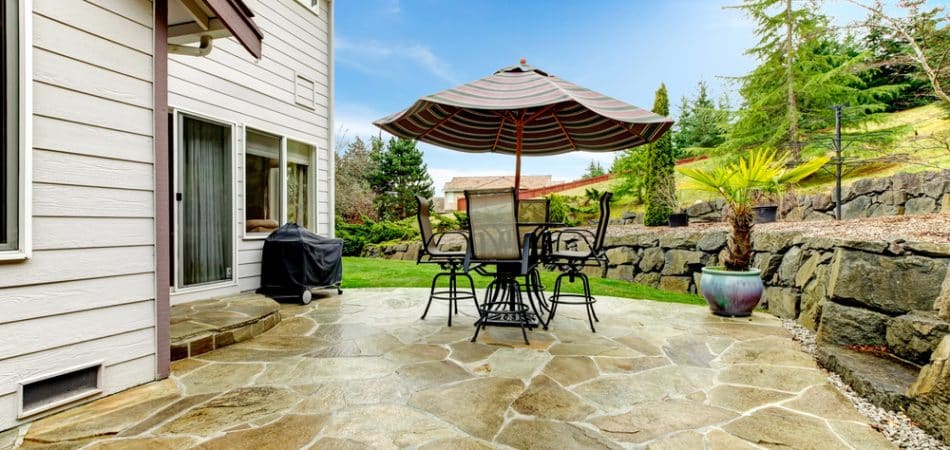
Choosing decorative concrete isn’t just about picking something that looks good today. It’s about finding a style that enhances your property’s value, complements your home’s architecture, and stands up to New Orleans’ unique climate for years to come. With options ranging from elegant stamped patterns to modern polished finishes, the decision can feel overwhelming. But here’s the thing: the right choice becomes clear when you understand your property’s needs, your lifestyle, and what each decorative concrete style actually offers.
The right decorative concrete style depends on three key factors: your property’s architectural style, intended use and foot traffic, and climate considerations. Match stamped concrete to traditional homes, polished concrete to modern aesthetics, and always prioritize slip-resistant finishes for outdoor applications in humid climates like ours.
Stamped concrete mimics natural materials like stone, brick, or wood through textured patterns pressed into fresh concrete. You’ll find it everywhere from driveways to pool decks because it delivers high-end aesthetics at a fraction of the cost of actual stone or pavers.
The versatility is remarkable. Choose from hundreds of patterns and custom color combinations that can match existing hardscaping or create entirely new visual elements. In our region, stamped concrete performs exceptionally well when properly sealed, resisting both moisture and the occasional freeze-thaw cycle.
Concrete staining transforms plain gray slabs into rich, variegated surfaces with depth and character. Acid stains create earthy, mottled tones that develop unique patterns you can’t replicate, while water-based stains offer more predictable, uniform colors.
This option works brilliantly for both interior floors and outdoor patios. The translucent nature of stains means you’re enhancing the concrete’s natural texture rather than covering it up. Unlike paint, properly applied stain won’t chip or peel.
Polished concrete grinding exposes the aggregate beneath the surface, creating a smooth, reflective finish that’s gained popularity in modern residential design. What started in warehouses and commercial spaces has migrated to contemporary homes, where homeowners appreciate the industrial-chic aesthetic.
Beyond looks, polished concrete is incredibly practical. It’s easy to clean, doesn’t harbor allergens, and reflects light to brighten spaces. For garages, basements, or even living areas, it’s a low-maintenance solution that ages gracefully.
When existing concrete is in decent structural condition but looks tired, overlay systems let you apply a thin layer of new decorative concrete over the old surface. You get the benefits of decorative concrete without the expense of complete removal and replacement.
Overlays can be stamped, stained, or textured. They’re particularly useful for updating dated patios or walkways where the foundation remains solid but the surface has become discolored or slightly worn.
Your home’s architectural style should guide your decorative concrete choices. A traditional Colonial or Victorian home pairs beautifully with stamped concrete that mimics brick or cobblestone patterns. These classic textures echo historical building materials and maintain visual harmony.
For mid-century modern or contemporary properties, polished concrete or minimalist stained finishes complement clean lines and simple forms. The sleek surface reinforces modern design principles without competing for attention.
Mediterranean and Spanish-style homes shine with warm-toned stamped concrete in tile or slate patterns. Earth tones like terracotta, ochre, and sandy beige connect indoor and outdoor spaces while honoring the architectural tradition.
Ranch-style homes offer flexibility. Consider exposed aggregate for a casual, textured look, or opt for subtle stamped patterns that add interest without overwhelming the home’s relaxed aesthetic.
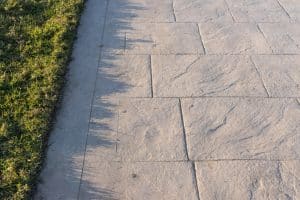 High-traffic areas demand durable finishes. Driveways supporting daily vehicle use need stamped concrete with a deeper texture for traction, while interior hallways might benefit from polished concrete’s hard-wearing surface.
Low-traffic spaces give you more creative freedom. That decorative overlay with intricate patterns? Perfect for a side courtyard or garden path where foot traffic stays light.
Our Gulf Coast climate presents specific challenges. Decorative concrete must handle:
We’ve seen stamped concrete perform exceptionally well here when installed with proper base preparation and sealed with breathable, UV-resistant products designed for our climate.
Light-colored concrete stays cooler underfoot, which matters for pool decks and patios where you’ll walk barefoot. Grays, tans, and sandy tones also hide dirt and weathering better than darker colors.
Dark colors create drama and contrast but absorb more heat. Reserve charcoal, deep brown, and black tones for shaded areas or spaces where you won’t be making direct contact with the surface.
Single-color applications deliver clean, modern simplicity. They work well for contemporary designs and spaces where you want the concrete to provide a neutral backdrop for other design elements.
Variegated colors with multiple tones create depth and visual interest. They’re forgiving—minor imperfections or aging blend into the overall pattern rather than standing out. For stamped concrete mimicking natural materials, color variation enhances authenticity.
Pull color cues from your home’s exterior, existing hardscaping, or natural surroundings. Concrete doesn’t need to match perfectly, but it should harmonize. If you’ve got red brick, consider warm earth tones. Gray siding? Cool-toned concrete complements beautifully.
Safety isn’t optional. Outdoor decorative concrete requires a texture that provides grip when wet. Smooth stamped patterns might look elegant, but they become hazardous in rain or around water features.
Textured finishes, broom finishes, and exposed aggregate all offer superior traction. You can have beauty and safety—it’s about selecting patterns and techniques that deliver both.
Polished concrete needs occasional resealing and dust mopping, but generally requires minimal upkeep. Stamped concrete demands resealing every few years to maintain color and protect against moisture infiltration.
Heavily textured surfaces trap dirt and debris more readily than smooth finishes. Consider how much time you’re willing to invest in cleaning and maintaining your decorative concrete before committing to intricate patterns with deep recesses.
Decorative concrete spans a wide price range. Basic colored concrete sits at the lower end, while multi-colored stamped patterns with custom borders push costs higher. Polished concrete falls somewhere in the middle, depending on the level of shine you want.
Think beyond initial installation costs. Quality decorative concrete adds curb appeal and property value. Buyers appreciate upgraded outdoor living spaces and distinctive interior floors. The investment often returns when it’s time to sell.
Cheaper installations that skip proper base preparation or use inferior sealers cost more in the long term. You’ll face premature repairs, resealing, or complete replacement. We’ve restored plenty of decorative concrete that failed because corners were cut initially—and starting over costs far more than doing it right the first time.
New Orleans properties have specific needs. Our soil conditions, water tables, and building codes require specialized knowledge that national contractors often lack. The team you choose should understand how to handle our expansive clay soils, high water tables, and drainage challenges that affect concrete installation.
Look for contractors who can show you local projects, explain how they’ll address your property’s unique conditions, and use materials proven to perform in our climate. TurnKey Concrete Team brings that depth of local experience to every decorative concrete project, ensuring your investment delivers lasting beauty and performance.
Choosing the right decorative concrete style comes down to balancing aesthetics, function, and long-term performance. Start by honestly assessing how you’ll use the space, what architectural style you’re complementing, and what maintenance you can realistically handle. Don’t rush the decision—look at samples in different lighting, consider how colors will age, and think about your property five or ten years from now.
The good news? You don’t have to figure this out alone. Professional guidance helps you avoid costly mistakes and discover options you might not have considered. We provide complimentary, honest estimates that help you understand what’s possible within your budget and vision for your property.
With proper installation and maintenance, decorative concrete lasts just as long as standard concrete—typically 25-30 years or more. The decorative elements (stamps, stains, polish) don’t compromise structural integrity. Resealing every 2-4 years maintains appearance and protection, but the concrete itself remains sound for decades.
Yes, though your options depend on the current finish. You can apply overlays over existing decorative concrete, restain acid-stained surfaces with darker colors, or grind and repolish previously polished concrete. Complete removal and replacement is always possible but rarely necessary. Overlays offer the most cost-effective transformation.
It depends on the finish. Smooth, polished decorative concrete can be slippery when wet, which is why we don’t recommend it for outdoor applications. Stamped concrete with adequate texture, broom-finished surfaces, and exposed aggregate all provide good traction in wet conditions. Always prioritize slip-resistant finishes for pool areas, patios, and walkways.
Stamped concrete in neutral, timeless patterns offers the strongest return on investment. Avoid ultra-trendy colors or patterns that might not appeal to future buyers. Classic stone or slate patterns in earth tones complement most architectural styles and age well. Quality execution matters more than elaborate designs; poorly installed decorative concrete hurts resale value, regardless of style.
 TurnKey Concrete Team
  Mar 17, 2026