Call For Free Estimate
Call For Free Estimate

New Orleans sits on some of the most challenging soil in the United States for concrete foundation work. The Mississippi River delta’s mix of organic clays, high water tables, and ongoing land subsidence creates conditions that demand specialized knowledge, careful engineering, and experienced contractors who understand this unique landscape.
If you have ever dug a hole in your New Orleans backyard, you probably noticed the soil looks and feels nothing like the firm, stable ground found in most other parts of the country. That is because the Greater New Orleans area was built on thousands of years of Mississippi River sediment deposits. The land beneath your home is not solid bedrock. Instead, it is a layered mix of soft clay, silt, sand, peat, and organic material that was deposited as the river shifted course over centuries. At TurnKey Concrete Team, we work with these conditions every day, and we know how much they matter when it comes to building a foundation that lasts.
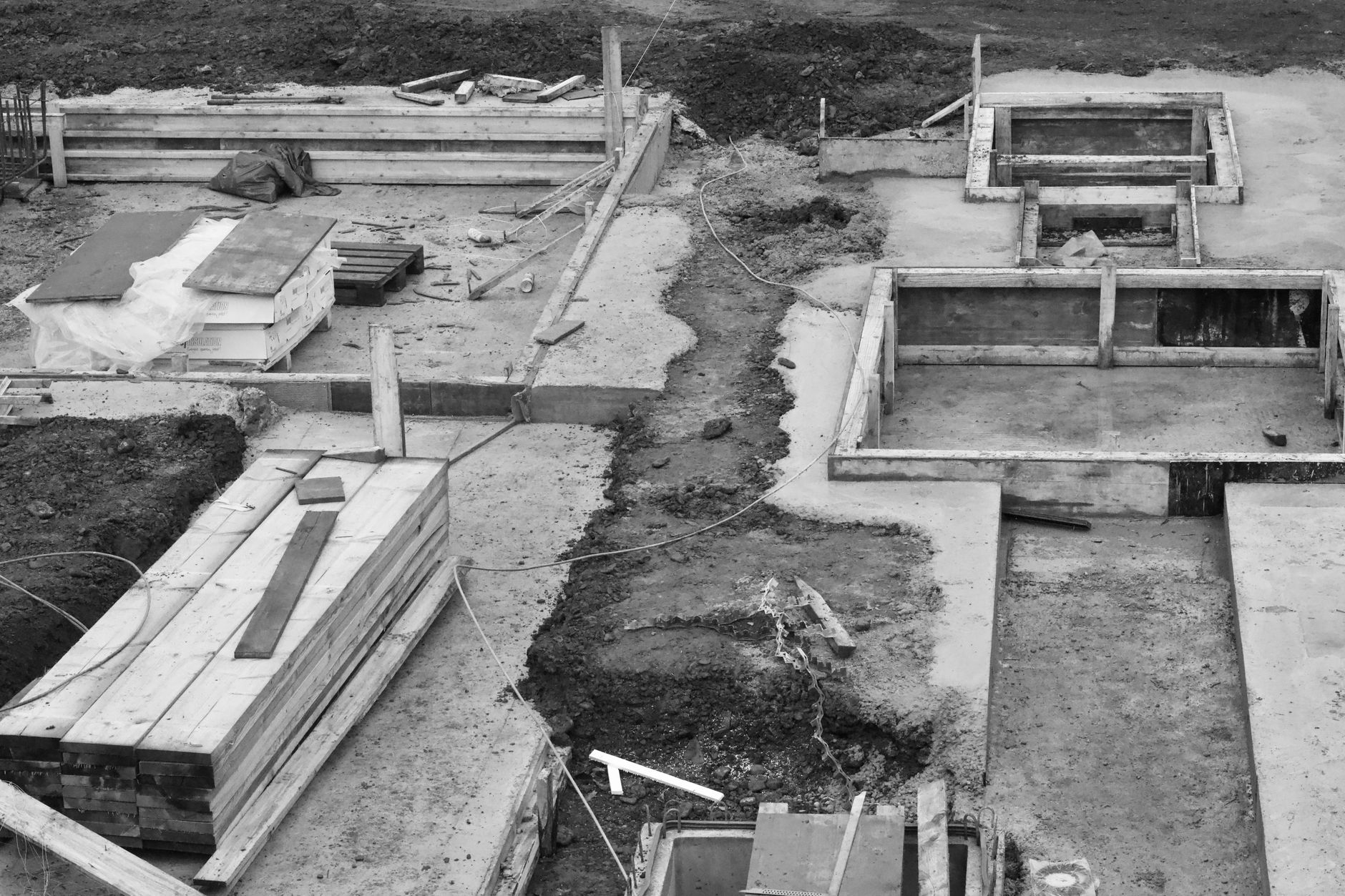
Much of the city is underlain by thick deposits of dark organic clay mixed with decomposing wood, roots, and other plant material from ancient marshes and swamps. This organic matter gives the soil a very low density and very high water content, making it compress easily under the weight of a structure. When you compare this to the stable, well-drained soils found in cities built on higher ground, you begin to understand why choosing the right foundation type matters so much in our region.
One of the biggest problems with New Orleans soil is its expansive clay content. Expansive clays swell when they absorb water and shrink when they dry out. In a region that receives over 60 inches of rainfall per year, this constant cycle of wetting and drying puts tremendous pressure on foundations. During wet seasons, the clay expands and pushes against the foundation from below and from the sides. During dry spells, the soil contracts and pulls away, removing the support your foundation relies on.
This back-and-forth movement is one of the leading causes of foundation cracks, uneven floors, and sticking doors and windows in Louisiana homes. The damage is often gradual, developing over months or years before homeowners notice visible signs. Understanding these soil dynamics is a key part of our approach to concrete foundation services in the New Orleans area.

New Orleans has one of the highest water tables of any major American city. In many neighborhoods, groundwater sits just one to three feet below the surface. This creates several problems for concrete foundations. First, water pressure from below (known as hydrostatic pressure) pushes upward against the bottom of slabs and footings, increasing the risk of cracking and heaving. Second, the constant presence of moisture accelerates the corrosion of steel reinforcement inside concrete. Third, a high water table makes excavation and soil preparation much more difficult because workers often encounter standing water before they can even begin forming the foundation.
This is why proper drainage planning, moisture barriers, and the right concrete mix design are all essential in our area. A foundation approach that works perfectly in Dallas or Atlanta may fail within a few years here because of the water conditions alone. Many homeowners find it helpful to read about concrete sealing and protection to understand how moisture management extends the life of concrete structures.
Perhaps the most alarming soil challenge in New Orleans is subsidence, the gradual sinking of the land surface over time. Research published by NASA and Tulane University scientists has mapped subsidence across the Greater New Orleans area using satellite radar data collected between 2002 and 2020. Their findings revealed that some neighborhoods, wetlands, and even sections of the city’s post-Katrina flood protection system are sinking by more than an inch per year. Certain areas experience up to 47 millimeters (nearly two inches) of elevation loss annually.
Subsidence happens for several reasons in our region. The soft organic soils are actively decomposing, especially in areas where drainage and pumping systems have lowered the water table. When organic material dries out and decays, it loses volume, and the ground surface drops. Groundwater pumping and the weight of buildings and infrastructure also compress the underlying sediment layers. TurnKey Concrete Team accounts for these conditions when designing and installing foundations, because a foundation built without considering subsidence will almost certainly develop problems over time. If you are already noticing cracks or settling in your existing concrete, learning about how to diagnose and fix common concrete issues can help you take the right next steps.
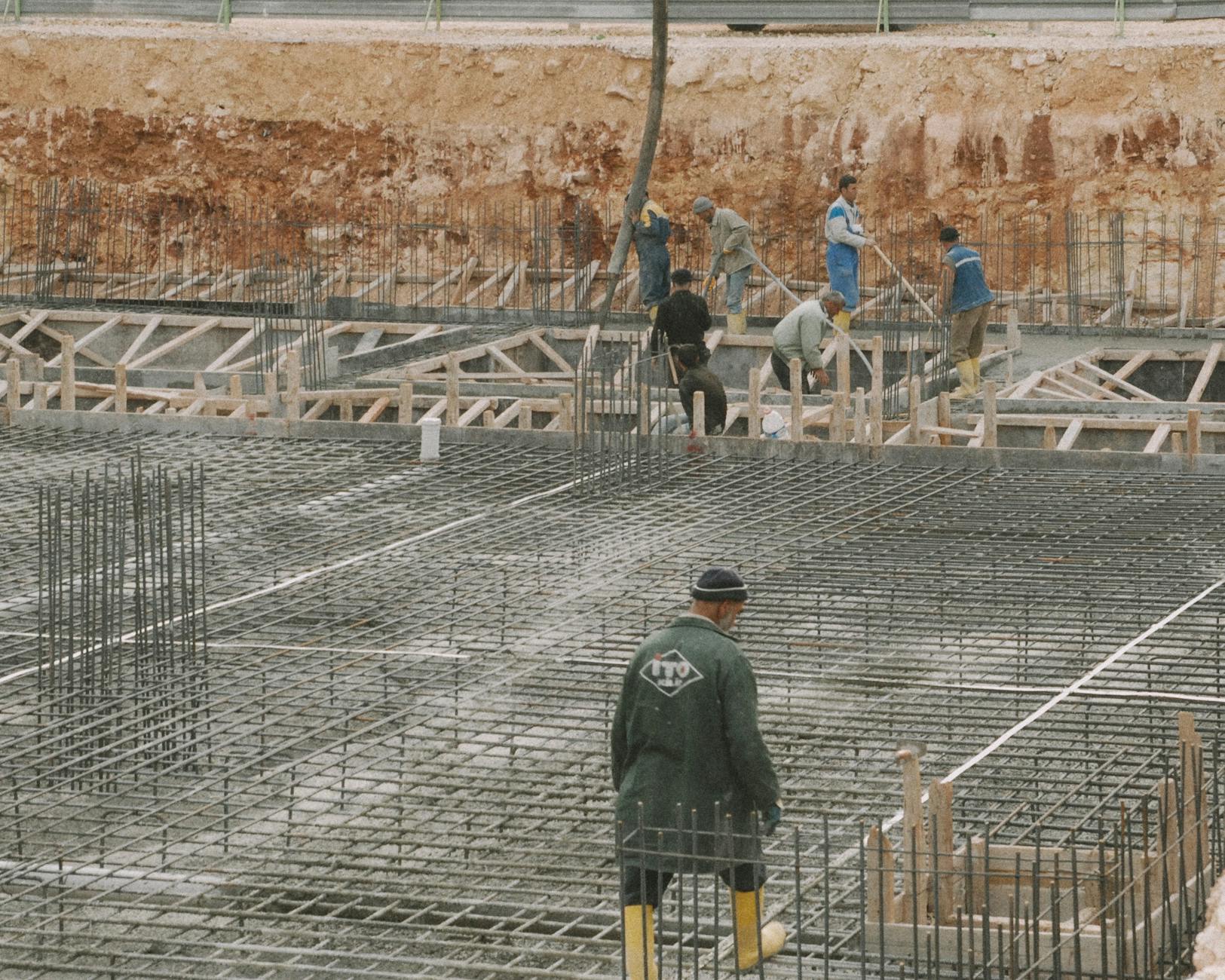
Building a reliable concrete foundation in New Orleans requires specific strategies that you will not find in a standard construction manual. Soil testing before construction is essential. A geotechnical survey tells the contractor exactly what type of soil is present, how deep the stable layers are, and what type of foundation system will perform best on that particular lot. In many parts of New Orleans, driven piles or deep pilings are required to reach stable bearing soil that may be 20 to 60 feet below the surface.
Reinforcement requirements are also more demanding here. Because the soil moves, foundations need stronger steel reinforcement and more flexible joint designs to handle the shifting without cracking apart. Proper compaction, moisture barriers, and drainage systems are all part of a well-engineered foundation plan. You can learn more about how different concrete slab foundation solutions address these challenges on our service page.
When it comes to concrete foundations in New Orleans, there is no substitute for local experience. A contractor who has worked in this area for years understands the subtle differences between soil conditions in Lakeview versus the French Quarter, or Gentilly versus Metairie. They know which neighborhoods have the worst subsidence, where the water table is highest, and which foundation systems perform best in each situation. Working with a contractor who understands these details can save you thousands of dollars in future repairs and give you peace of mind knowing your home is built on a solid base. For advice on keeping your concrete in top shape for the long haul, our guide on how to prolong concrete structure life offers practical, proven tips.
If you are planning a new build, an addition, or a foundation replacement in the Greater New Orleans area, we are here to help. Reach out to TurnKey Concrete Team at (504) 294-3820 or visit our contact page to schedule a consultation. We will evaluate your soil conditions, recommend the right foundation approach, and make sure your project is built to handle everything the New Orleans ground can throw at it.
New Orleans soil is made up of soft, compressible Mississippi River delta sediment including organic clays, silt, and decomposing plant material. This soil has very low bearing capacity and high water content, which causes settling, shifting, and uneven support beneath foundations. The expansive clay also swells and shrinks with moisture changes, creating ongoing movement that damages concrete over time.
Subsidence is the gradual sinking of the ground surface. In New Orleans, NASA and Tulane University research has documented sinking rates of up to two inches per year in some areas. This happens because the organic soils decompose and compress, especially when drainage systems lower the water table. Foundations built without accounting for subsidence can crack, tilt, or settle unevenly.
Not every home requires pilings, but many do. The need depends on the specific soil conditions at your building site. A geotechnical survey determines how deep stable soil layers are and whether pilings are necessary. In areas with very soft organic clay or high subsidence risk, driven piles reaching 20 to 60 feet deep may be required to reach stable bearing ground.
The high water table creates hydrostatic pressure that pushes upward against the bottom of foundation slabs, increasing the risk of cracking and heaving. Constant moisture exposure also speeds up corrosion of steel reinforcement inside the concrete. Proper drainage systems, moisture barriers, and corrosion-resistant reinforcement are essential for managing these conditions.
The best foundation type depends on your specific site conditions. Slab-on-grade foundations with proper reinforcement work well in areas with relatively stable soil. In areas with softer ground or higher subsidence risk, pier and beam foundations or deep pile systems are often recommended. A qualified local contractor can help determine the right system after evaluating your soil conditions.
Yes, a geotechnical soil test is strongly recommended before any foundation work in the New Orleans area. The test reveals soil composition, bearing capacity, water table depth, and potential for movement or settling. This information allows your contractor to design a foundation system that accounts for the specific challenges present at your building site.
 TurnKey Concrete Team
  Apr 21, 2026