Call For Free Estimate
Call For Free Estimate

A residential concrete foundation is the structural base that supports your entire home, and choosing the right type matters more than most homeowners realize. This guide covers the main foundation types, how they work, and what New Orleans homeowners specifically need to consider before building or buying.
Your home’s foundation does more than hold the structure in place. It manages moisture, resists soil movement, and transfers the full weight of your house to the ground below. When the foundation is designed and installed correctly, it can perform reliably for generations. When it is not, the consequences range from cosmetic cracks to serious structural failure. At TurnKey Concrete Team, we help homeowners across the Greater New Orleans area understand their foundation options so they can make confident, informed decisions.
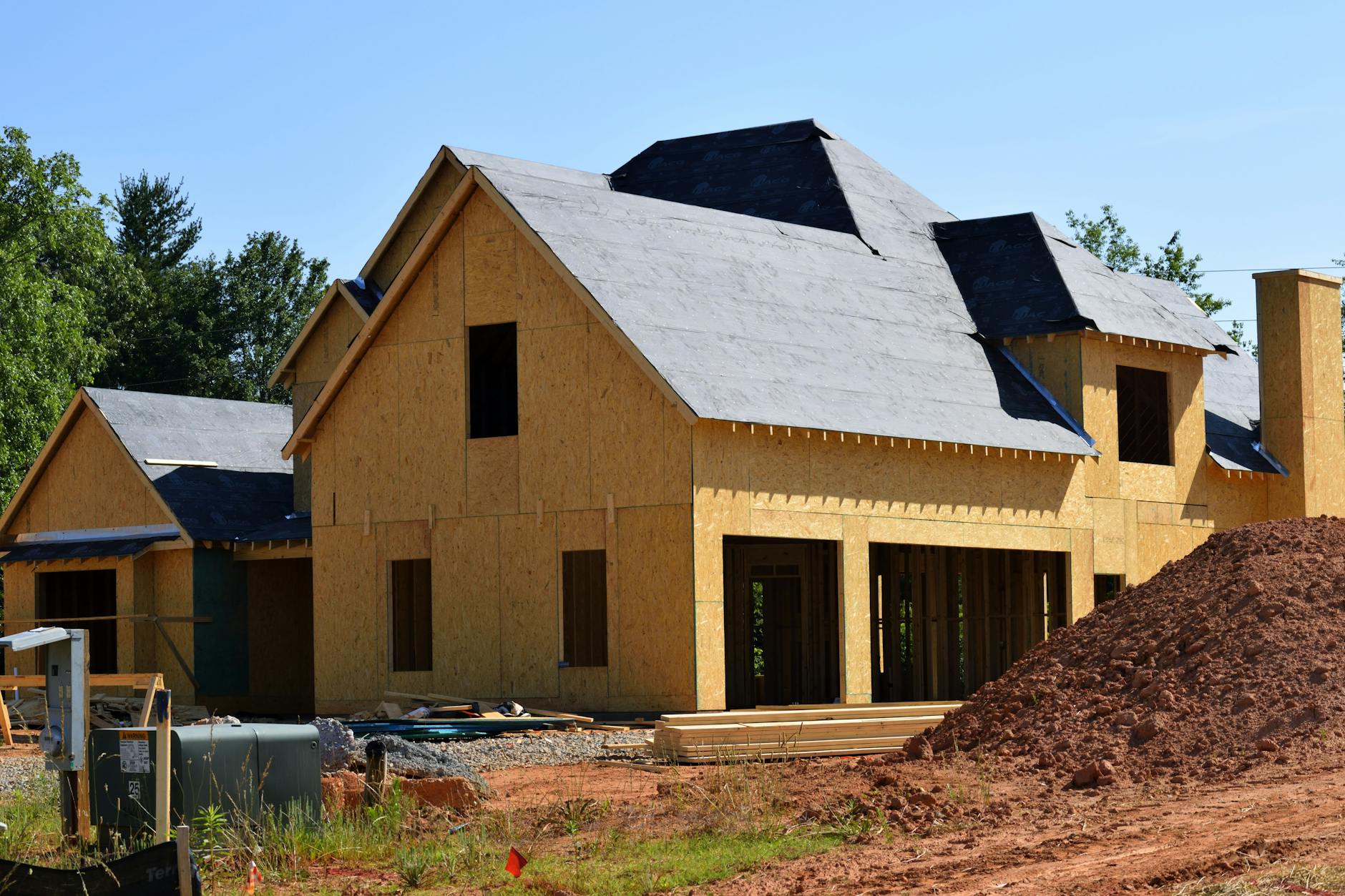
Whether you are building a new home, planning an addition, or evaluating the foundation of a property you want to purchase, knowing the basics can save you time, money, and headaches down the road. If you are specifically comparing two popular options in our area, our article on slab vs. pier foundations for New Orleans homes breaks down the pros and cons of each.
Most residential concrete foundations fall into one of three categories: slab-on-grade, crawl space, and basement. Each has its own strengths, costs, and suitability depending on your local climate, soil type, and building goals.
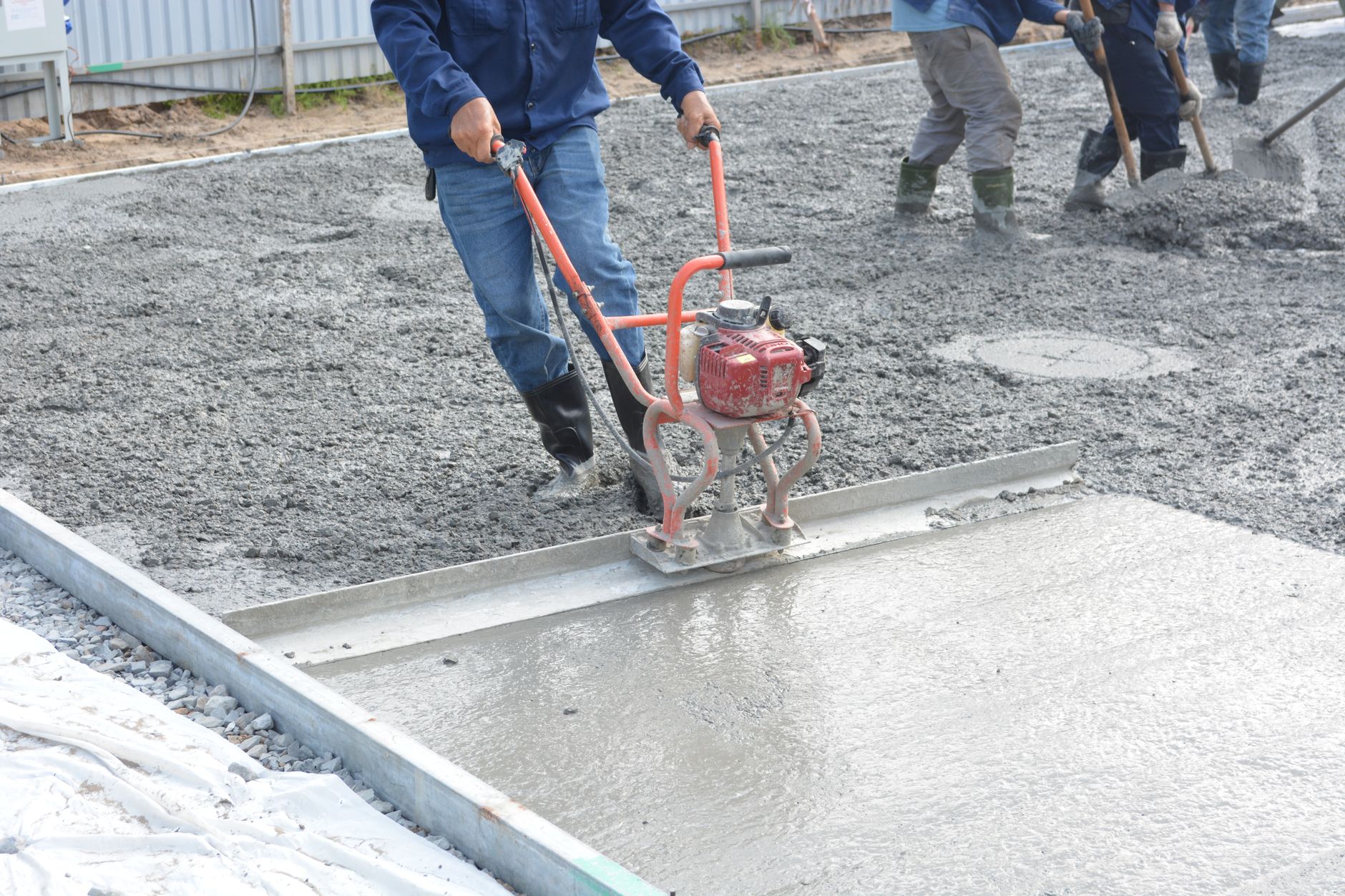
A slab-on-grade foundation is a single layer of concrete, typically four to six inches thick, poured directly onto prepared ground. It is the most common foundation type in New Orleans and across much of the Gulf South. Slab foundations are cost-effective, fast to install, and work well in areas with a high water table where digging below grade is impractical. They also eliminate the risk of pest infestations beneath the home, because there is no open space between the floor and the soil. The main drawback is limited access to plumbing and utilities, which run through or beneath the slab. TurnKey Concrete Team provides expert concrete slab foundation services tailored to local conditions.
Crawl space foundations elevate the home about one to three feet off the ground using short foundation walls or piers. This creates an accessible space beneath the floor for plumbing, electrical, and HVAC systems. Crawl spaces offer better ventilation and easier access for repairs compared to slabs. However, they require proper moisture management, especially in humid climates like Louisiana’s, where standing water and mold growth in the crawl space can become serious issues if drainage and vapor barriers are not installed correctly.

Basement foundations extend several feet below ground level, creating a full additional story beneath the home. They are common in northern states where building codes require footings below the frost line. In the New Orleans area, basements are extremely rare due to the high water table and flood-prone landscape. Excavating deep enough for a basement would almost certainly lead to water intrusion issues. For most Louisiana homeowners, a slab or crawl space is the better, more practical choice.
Choosing a foundation in the Greater New Orleans area involves unique considerations that homeowners in other parts of the country may never face. Understanding these factors helps you work more effectively with your contractor.
Soil conditions: The region’s heavy clay soil expands and contracts with moisture changes, putting constant pressure on foundations. A properly engineered foundation accounts for this movement through reinforcement, proper drainage, and soil preparation. For more on protecting your concrete from these conditions, read about the importance of concrete sealing in New Orleans.
Water table: New Orleans has one of the highest water tables in the United States. This limits the feasibility of below-grade construction and makes proper drainage systems essential for any foundation type.
Flood zones: Many properties in the region fall within FEMA-designated flood zones. Elevated foundations, including raised slabs and pier-and-beam systems, may be required to meet local building codes and flood insurance standards.
Building codes: Louisiana’s building codes incorporate requirements specific to the state’s soil and weather conditions. Working with a licensed contractor who understands these codes ensures your foundation meets all regulatory standards.
Understanding what goes into a foundation installation helps you know what to expect and what questions to ask your contractor. The process generally follows these steps.
Site preparation: The area is cleared, graded, and compacted. In New Orleans, this step often includes addressing drainage to manage the high water table.
Forming and reinforcement: Wood or metal forms are set to define the foundation’s shape. Steel rebar and wire mesh are placed inside the forms to add tensile strength and resist cracking.
Concrete pouring: The concrete mix is poured into the forms in a continuous process to avoid cold joints, which are weak points where two pours meet. Proper mix design is critical in humid, warm climates.
Curing: The concrete must cure for at least seven days, and often longer, to reach adequate strength. During this period, it needs to be kept moist and protected from temperature extremes.
TurnKey Concrete Team handles every phase of residential concrete foundation installation, from initial site evaluation through final inspection. To learn more about what professional installation involves, check out our guide on the benefits of professional concrete installation for your home.
Once your foundation is in place, ongoing maintenance extends its lifespan and helps you catch problems early. Keep gutters and downspouts clear so water drains away from the foundation. Monitor for cracks, especially after heavy rains or extended dry spells. Maintain consistent soil moisture around the perimeter of your home to reduce expansion and contraction cycles. If you notice signs of settling or structural movement, schedule a professional inspection promptly. Our guide to the concrete foundation services we offer can help you understand your repair and maintenance options.
For homeowners who want to keep all their concrete in top condition, our article on extending the lifespan of your concrete driveway offers practical advice that applies to many concrete surfaces around your property.
A strong foundation is the single most important structural element of your home. Whether you are building new or maintaining an existing home in the New Orleans area, investing in the right foundation pays dividends for decades. To discuss your residential foundation needs, call TurnKey Concrete Team at (504) 294-3820 or visit our contact page to get started. We are available Monday through Friday from 7 a.m. to 6 p.m., Saturday from 8 a.m. to 6:30 p.m., and Sunday from 10 a.m. to 4 p.m.
For most homes in the New Orleans area, a slab-on-grade foundation or an elevated pier-and-beam system is the best option. The high water table makes basements impractical, and slab foundations are well suited to the region’s flat terrain and soil conditions. Properties in flood zones may require elevated foundations to meet local codes.
A standard residential slab foundation is typically four to six inches thick, with thicker edges at the perimeter footings. The exact thickness depends on the soil conditions, the weight of the structure, and local building codes. In areas with expansive clay soil like Louisiana, engineers may recommend additional reinforcement or a thicker slab.
A properly installed and maintained concrete foundation can last 80 to 100 years or more. Factors that affect longevity include soil conditions, moisture management, the quality of the concrete mix, and whether the foundation was reinforced with steel. Regular inspections and prompt repairs extend the useful life significantly.
A monolithic slab is poured as a single, continuous piece of concrete with thickened edges for the footings. A stem wall foundation uses separate footings and short walls to create a raised perimeter, with the slab poured inside afterward. Stem wall foundations offer more elevation and better moisture protection in flood-prone areas.
Common warning signs include cracks in walls or floors, doors and windows that stick or do not close properly, uneven floors, and gaps between walls and ceilings. If you notice any of these issues, a professional foundation inspection can determine whether repair is needed and what approach is most appropriate.
Yes, most foundation repair and replacement work in Louisiana requires a building permit. Your contractor should handle the permitting process and ensure all work meets state and local building codes. Working with a licensed, insured contractor protects you legally and ensures the work is done to standard.
 TurnKey Concrete Team
  Apr 11, 2026