Call For Free Estimate
Call For Free Estimate

The cost of a concrete foundation depends on several factors including the foundation type, size, soil preparation, reinforcement needs, depth, and labor rates. In the New Orleans area, additional considerations like pile depth, flood zone requirements, and soil testing can also influence your total investment. Understanding these factors helps you budget wisely and avoid surprises.
Planning a new concrete foundation is one of the biggest investments you will make in your home or commercial property. The price you pay is not a single fixed number. Instead, it is the sum of many individual factors that vary based on your specific project, location, and site conditions. At TurnKey Concrete Team, we believe in transparency when it comes to pricing. While we cannot quote exact costs without evaluating your project in person, we can walk you through the key factors that will shape your foundation budget so you know what to expect.
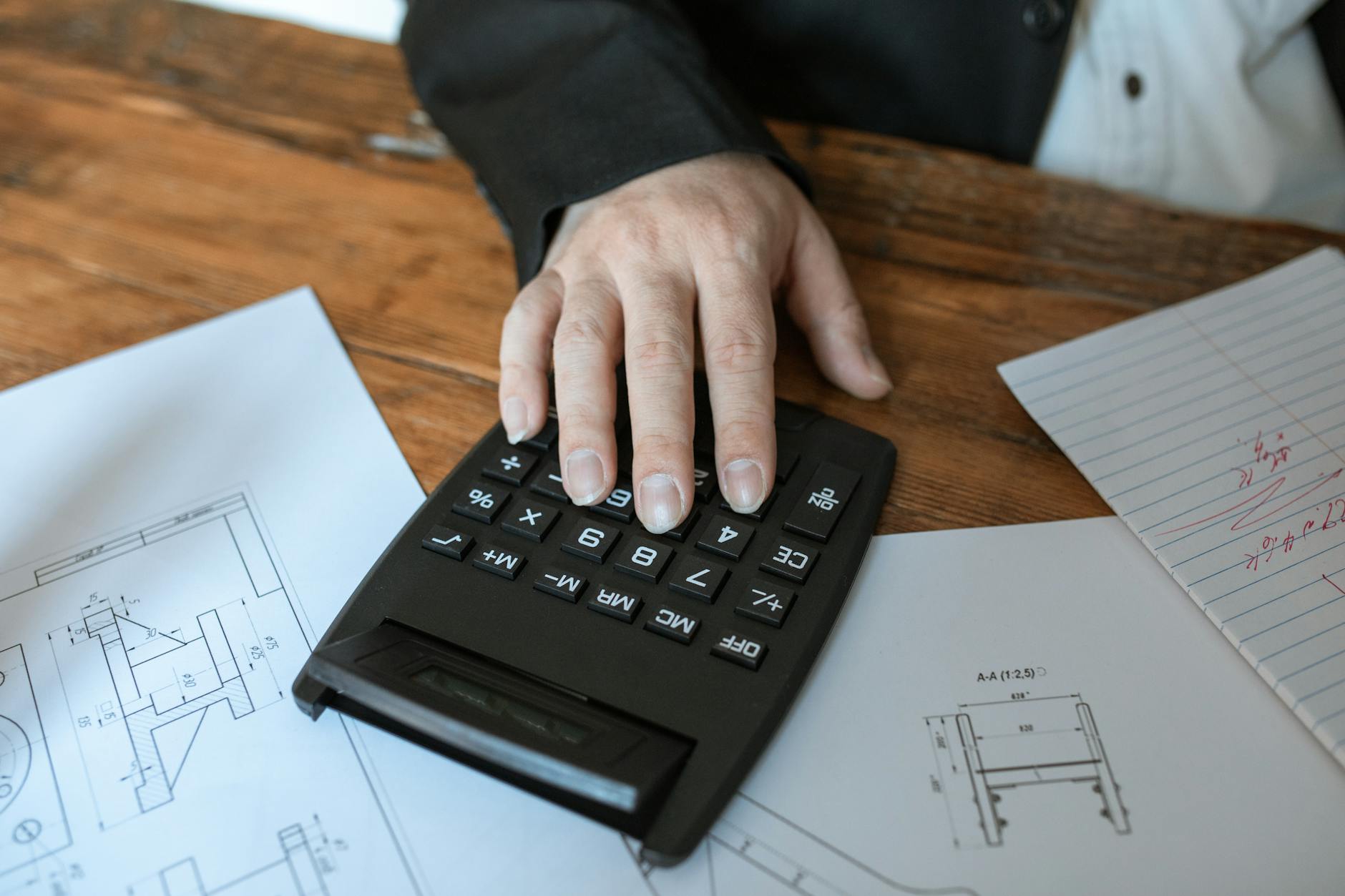
The most straightforward cost factor is the size of your foundation, measured in square footage. A larger foundation requires more concrete, more reinforcement, more labor hours, and more materials across the board. For residential projects, foundation sizes typically range from 800 to 2,500 square feet or more depending on the home’s footprint.
The type of foundation you choose also has a major impact on cost. A simple slab-on-grade foundation is generally the most affordable option, while pier and beam systems, deep pile foundations, and raised foundations cost more due to the additional engineering, materials, and labor involved. Each type has its strengths, and the right choice depends on your soil conditions and structural needs. If you are weighing your options, our overview of slab versus pier foundations for New Orleans homes is a helpful starting point.
Before any concrete is poured, the site needs to be properly prepared. This includes clearing vegetation, grading the lot to ensure proper drainage, and compacting the soil to create a stable base. The cost of site preparation varies widely depending on the existing condition of the land. A flat, cleared lot with stable soil requires minimal prep work. A lot with trees, slopes, standing water, or fill material may require extensive excavation, grading, and soil replacement before foundation work can begin.

Soil compaction is particularly important. If the ground beneath your foundation is not compacted correctly, it will settle unevenly and cause cracking or tilting. In some cases, poor native soil must be replaced with engineered fill, adding both material and labor costs. For tips on maintaining concrete once installed, our guide on how to prolong concrete structure life covers the essentials.
The depth of your foundation affects cost in two ways: the amount of excavation required and the volume of concrete needed to fill the forms. Standard residential footings are typically 12 to 24 inches deep. However, local building codes may require deeper footings in areas with frost lines, expansive soils, or flood zone requirements.
In the New Orleans area, foundation depth is dictated by how far down stable bearing soil can be found. In neighborhoods built on soft delta sediment, pilings may need to extend 20 to 60 feet below the surface. Deep pile work is one of the most significant cost factors in our region, because each pile requires specialized equipment and considerable time to install. Understanding the full scope of concrete foundation work helps you appreciate why depth matters so much to your budget.
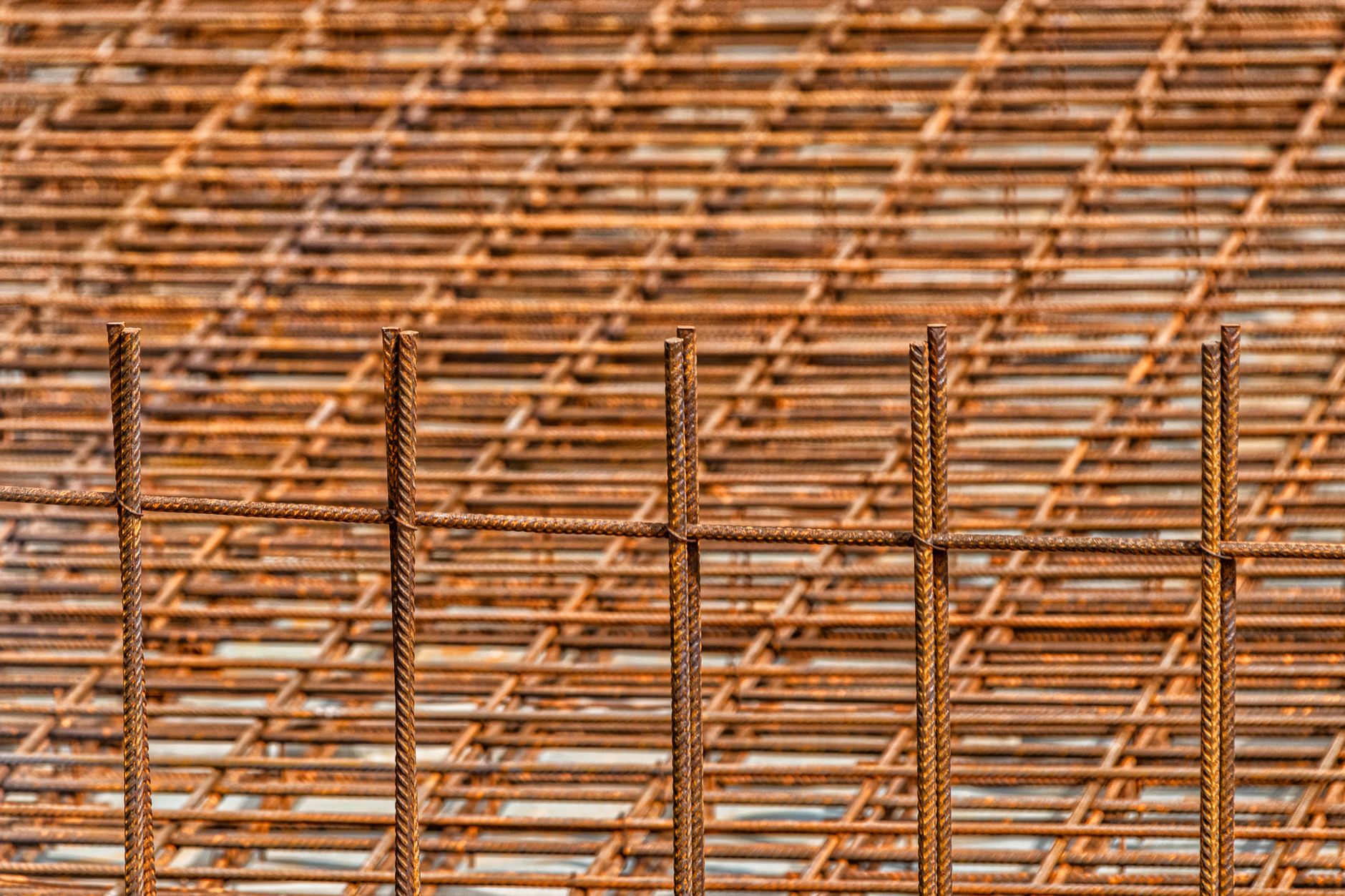
Steel reinforcement is a non-negotiable part of any quality concrete foundation. The cost of reinforcement depends on the type and amount needed. Basic welded wire mesh is the most affordable option and is commonly used in standard residential slabs. Rebar grids provide greater strength and are specified for thicker slabs, foundations bearing heavy loads, and sites with challenging soil. Post-tensioned cable systems, which use high-strength steel tendons pulled tight after the concrete cures, offer the best crack resistance but cost more to install.
The concrete mix itself also influences cost. Higher-strength mixes, fiber-reinforced concrete, and specialty formulas designed for moisture resistance all carry premium pricing. Additional materials like vapor barriers, insulation boards, and form lumber add to the total as well. If your project involves removing existing concrete first, our article on when to consider concrete demolition offers helpful guidance.
Labor typically accounts for 40 to 50 percent of total foundation costs. This includes the crew that sets forms, places reinforcement, pours and finishes the concrete, and handles cleanup. Labor rates vary by region, season, and the complexity of the work. Specialized tasks like pile driving, post-tensioning, and working in flood zones require trained crews with specific equipment, which increases labor costs accordingly.
Choosing an experienced contractor may cost slightly more per hour, but it can save you significant money in the long run. A well-built foundation lasts decades with minimal maintenance. A poorly built one can develop cracks, settling, and structural problems that cost far more to repair than the original work. Learning about the benefits of professional concrete installation explains why contractor experience is worth the investment.
Building a foundation in the Greater New Orleans area comes with unique cost considerations that you will not encounter in most other parts of the country. Geotechnical soil testing is strongly recommended before any foundation project here, and that test alone can add to your upfront costs. However, skipping the soil test and guessing at foundation requirements is a gamble that rarely pays off.
Flood zone requirements are another factor. Properties in FEMA-designated flood zones may need elevated foundations, additional waterproofing, or specific structural designs to meet code. These requirements add materials, engineering time, and labor to the project. TurnKey Concrete Team understands these local requirements and builds them into our planning from the start, so there are no surprises midway through your project. For homeowners looking to protect their existing concrete investment, our article on concrete sealing in New Orleans is worth reading.
The best way to get an accurate picture of what your foundation will cost is to request a detailed estimate from a qualified residential concrete foundation contractor. A thorough estimate should break down costs by category so you can see exactly where your money is going. Be cautious of quotes that seem unusually low, because they may not account for soil preparation, reinforcement, or code-required upgrades that will need to be added later.
When comparing estimates, confirm each contractor is quoting the same scope of work, including slab thickness, reinforcement, soil preparation, and materials. A low bid that skips compaction or uses lighter reinforcement is not a true savings. If you are noticing issues with an existing foundation, our guide on diagnosing and fixing common concrete problems can help you decide whether repair or replacement makes more sense.
Ready to get a clear, honest estimate? Call TurnKey Concrete Team at (504) 294-3820 or visit our contact page to schedule your consultation. We serve New Orleans and surrounding communities with quality and transparency on every project.
Foundation size and type are typically the largest cost drivers. A larger footprint requires more materials and labor, and more complex foundation types like pier and beam or deep pile systems cost significantly more than a simple slab-on-grade. Soil conditions can also add substantial costs if extensive preparation or deep pilings are needed.
Estimates can vary because contractors may include different scopes of work. One quote might include soil testing, compaction, and heavy reinforcement while another skips these steps. Always compare estimates on an equal basis and ask what is included in each line item before making a decision.
A geotechnical soil test is a relatively small expense compared to the total foundation cost. It provides critical information about soil composition, bearing capacity, and water table depth that directly informs foundation design. Skipping the test can lead to under-engineered foundations that require expensive repairs later.
Foundation costs in New Orleans are often higher than the national average due to the soft delta soils, high water table, and flood zone requirements common in the area. Deep pilings, specialized soil preparation, and elevated foundation designs all add costs that builders in regions with firmer ground typically do not face.
Deeper foundations require more excavation, more concrete, and sometimes specialized equipment like pile drivers. In New Orleans, pilings may need to reach 20 to 60 feet to find stable bearing soil. Each additional foot of depth adds material and labor costs, making depth one of the most significant variables in local foundation pricing.
Reducing slab thickness or reinforcement below what your soil conditions and structural loads require is not a genuine savings. It increases the risk of cracking, settling, and structural failure, which leads to repair costs that far exceed the initial savings. It is always better to build the foundation right the first time.
 TurnKey Concrete Team
  May 1, 2026