Call For Free Estimate
Call For Free Estimate

A standard residential concrete slab foundation is typically 4 to 6 inches thick, with most homes requiring at least 4 inches for basic support and 6 inches or more for areas with heavier loads or challenging soil conditions. The right thickness depends on your structure’s weight, the soil beneath it, local building codes, and how the space will be used.
When homeowners start planning a new build or a major renovation, one of the first technical questions they face is how thick their concrete slab foundation needs to be. It is a simple question with a surprisingly detailed answer, because the correct thickness depends on several factors that vary from project to project. At TurnKey Concrete Team, we help homeowners across the Greater New Orleans area navigate these decisions with confidence, and the right slab thickness is always one of the first things we discuss.
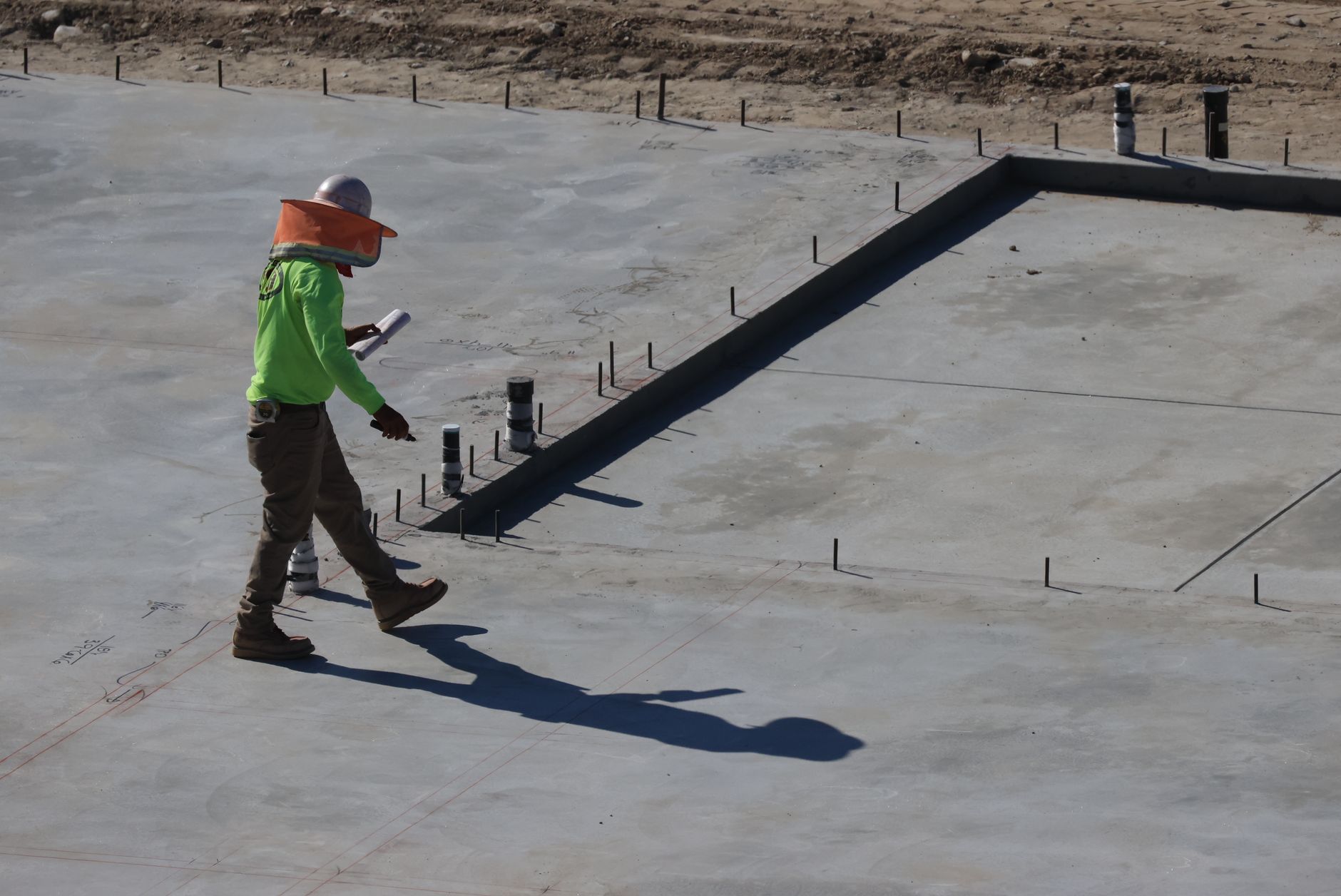
For most standard residential homes, a 4-inch-thick slab is the minimum accepted by building codes. This thickness works well for lightweight structures on stable, well-compacted soil where the slab will not bear extreme loads. However, many experienced contractors, including our team, recommend going with at least 5 to 6 inches for residential foundations. That extra inch or two of concrete provides a meaningful boost in strength, durability, and resistance to cracking. If you are comparing foundation options, our guide on slab versus pier foundations for New Orleans homes covers the pros and cons of each approach.
While 4 inches may be the code minimum, several common situations call for a thicker foundation slab. Garages are one of the most frequent examples. Because garages support the weight of vehicles, heavy equipment, and storage, a 6-inch slab is the standard recommendation. For garages that will house heavier vehicles like trucks or RVs, some contractors specify 8 inches or even thicker to prevent cracking under concentrated loads.
Homes with heavy interior features also benefit from thicker slabs. If your plans include stone countertops, a large masonry fireplace, a safe room, or heavy tile flooring throughout, the cumulative weight adds up. Thicker slabs distribute that weight more evenly and reduce the chance of stress cracks developing over time. Multi-story homes generally require thicker slabs as well, because the foundation must carry the combined weight of every floor above it.

Thickness alone does not determine how strong a concrete slab will be. Reinforcement plays an equally important role. Most residential slab foundations use steel rebar, welded wire mesh, or a combination of both to add tensile strength to the concrete. Concrete is excellent at handling compression (weight pressing down), but it is weak in tension (forces that pull or stretch). Steel reinforcement compensates for this weakness and helps the slab flex slightly under stress without cracking apart.
For a standard 4-inch residential slab, welded wire mesh is often sufficient. For thicker slabs of 6 inches or more, rebar grids spaced at 12 to 18 inches on center are commonly specified. The rebar is typically placed in the lower third of the slab, where tensile forces are greatest. In areas with expansive or unstable soil, engineers may call for post-tensioned cables, which are steel tendons that are pulled tight after the concrete cures to keep the slab in compression and resist cracking from soil movement. Learning about the benefits of professional concrete installation can help you understand why these details matter so much.
The ground beneath your slab has a major influence on how thick it needs to be. Stable, well-drained soils like compacted sand or gravel provide firm, consistent support, and a standard 4-inch slab may perform well in those conditions. But in areas with clay-heavy or organic soils, the rules change. Clay soils expand when wet and contract when dry, creating uneven pressure under the slab. Organic soils compress over time as plant material decomposes, leading to settling and voids beneath the foundation.
In Louisiana and the Greater New Orleans area, these challenging soil conditions are common. The soft delta soils in many neighborhoods require thicker slabs, deeper edge beams, and more robust reinforcement to maintain structural integrity. A slab that would work fine on stable ground in North Louisiana may need to be two or more inches thicker in parts of New Orleans to compensate for soil movement. Our concrete slab foundation services are specifically designed to address these regional soil challenges.
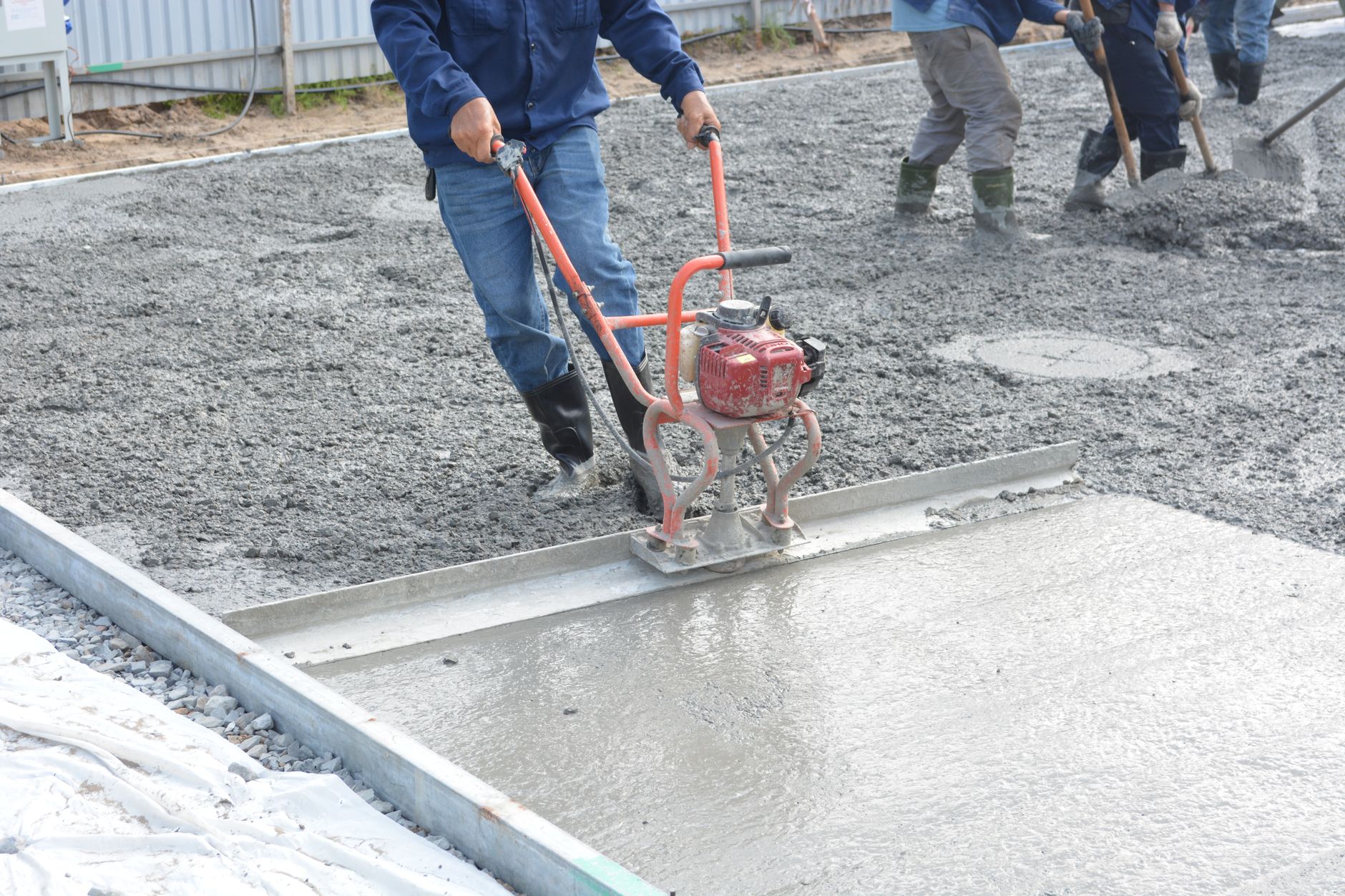
One important design detail that many homeowners overlook is the edge beam, also called a thickened edge or turned-down edge. While the interior of a slab may be 4 to 6 inches thick, the edges are typically thickened to 12 to 24 inches and extend deeper into the ground. These thickened edges act as the primary load-bearing element of the slab, supporting the weight of exterior walls and transferring it down into the soil. The depth and width of edge beams depend on the wall load, soil conditions, and local building codes. In areas with softer soil, deeper and wider edge beams are essential. Understanding the full range of concrete foundation options can help you make an informed decision about your project.
Beyond the main residential slab, different parts of your property may require different thickness specifications. Patios and outdoor living areas typically need 4 inches of concrete, which is adequate for foot traffic and patio furniture. Driveways should be at least 4 inches thick for passenger cars and 5 to 6 inches if you regularly park trucks or heavy equipment. Workshop floors or areas that will support heavy machinery may need 6 to 8 inches with additional reinforcement. If you are also thinking about your driveway, our article on concrete driveway trends for 2026 in New Orleans covers the latest options.
The bottom line is that there is no single answer to how thick your slab foundation should be. The right thickness balances structural requirements, soil conditions, intended use, reinforcement strategy, and budget. Going too thin saves money upfront but can lead to cracking, settling, and expensive repairs down the road. Going thicker than necessary increases material costs without adding meaningful benefit. TurnKey Concrete Team evaluates each project individually, taking soil conditions, structural loads, and local codes into account to recommend the ideal slab thickness for your situation. For advice on maintaining your foundation once it is in place, our tips on extending the lifespan of your concrete apply to slabs and driveways alike.
Ready to discuss your slab foundation project? Call TurnKey Concrete Team at (504) 294-3820 or visit our contact page to schedule a free consultation. We will help you get the thickness, reinforcement, and design right from the start.
A 4-inch slab meets the minimum building code requirement for many residential applications. However, most professionals recommend 5 to 6 inches for home foundations to provide better load-bearing capacity and crack resistance. Soil conditions and the weight of the structure may require an even thicker slab.
Garage slabs should be at least 6 inches thick to support the weight of vehicles and stored equipment. If you plan to park heavier vehicles like trucks or RVs, an 8-inch slab with additional reinforcement is often recommended to prevent cracking under concentrated loads.
Yes, soil type is one of the most important factors in determining slab thickness. Expansive clay soils, organic soils, and areas with a high water table typically require thicker slabs with deeper edge beams and stronger reinforcement. A geotechnical soil test can reveal what your specific site needs.
A thickened edge, also called an edge beam, is a section along the perimeter of the slab where the concrete is deeper, typically 12 to 24 inches. These thickened edges carry the weight of exterior walls and transfer loads into the soil. They are a critical structural element of any slab-on-grade foundation.
Reinforcement is strongly recommended for any slab foundation. Welded wire mesh may be sufficient for thin, lightly loaded slabs, but rebar is preferred for slabs of 6 inches or more. In areas with challenging soil, post-tensioned cables may also be used to resist cracking from ground movement.
New Orleans sits on soft Mississippi River delta sediment that compresses easily and contains expansive clay. These conditions often require thicker slabs, deeper edge beams, and heavier reinforcement compared to homes built on more stable ground. A local contractor familiar with the soil can recommend the right specifications for your site.
 TurnKey Concrete Team
  Apr 26, 2026