Call For Free Estimate
Call For Free Estimate

A concrete foundation typically reaches its initial set within 24 to 48 hours, develops roughly 70% of its design strength by day seven, and achieves full rated strength at the 28-day mark. Temperature, humidity, mix design, and curing methods all influence how quickly and completely the concrete gains strength.
One of the most common questions we hear from homeowners planning a new build is, “How long before the foundation is ready?” The answer involves some science, some patience, and a healthy respect for Louisiana’s climate. At TurnKey Concrete Team, we make sure every foundation we pour gets the time and care it needs to reach full strength, because cutting corners on curing leads to problems that last the life of the structure.

Curing is the chemical process called hydration, where water reacts with Portland cement to form crystite bonds that give concrete its strength. This process does not happen all at once. It follows a predictable timeline that every builder and homeowner should understand. For a broader look at how foundations fit into your project, our post on the benefits of professional concrete installation covers the full picture.
Within the first 24 to 48 hours after placement, concrete undergoes its initial set. During this phase, the surface hardens enough that it can no longer be worked or finished. The concrete reaches approximately 20 to 30 percent of its design compressive strength. At this stage, the foundation should not bear any structural loads. Foot traffic should be avoided for at least 24 hours, and no heavy equipment should be placed on the surface. This early period is critical because the hydration reaction is generating heat and the concrete is most vulnerable to surface cracking from rapid moisture loss.
Between days three and seven, the concrete gains strength rapidly. By day seven, a properly cured foundation typically reaches 60 to 70 percent of its 28-day design strength. This is the point when forms are usually stripped and light construction activity can begin around the foundation. Backfilling against foundation walls is generally safe after seven to ten days, once the concrete has enough strength to resist lateral soil pressure. During this window, maintaining consistent moisture on the concrete surface remains important.
The industry standard benchmark for concrete strength is 28 days. At this point, a standard 4,000 PSI mix should reach its full rated compressive strength. Most residential foundations use mixes rated between 3,000 and 4,500 PSI, and the 28-day test is the official measure used by engineers and inspectors to confirm the concrete meets specification. It is worth noting that concrete continues to gain small amounts of strength beyond 28 days, but the rate of gain slows significantly after that point.

Several variables influence how quickly concrete gains strength. Understanding these factors helps explain why two foundations poured on different days can behave very differently.
Temperature: Concrete cures best between 50 and 80 degrees Fahrenheit. Temperatures above 90 degrees accelerate hydration too quickly, leading to premature stiffening, reduced ultimate strength, and a higher risk of plastic shrinkage cracks. Cold temperatures below 50 degrees slow the reaction dramatically, and concrete can stop hydrating entirely if it freezes before reaching adequate strength.
Humidity and Moisture: Concrete needs moisture to cure. If the surface dries out too quickly, the hydration reaction stops in the outer layer, creating a weak, dusty surface prone to cracking. Maintaining moisture through wet curing, curing compounds, or plastic sheeting is essential during the first seven days.
Mix Design: The water-to-cement ratio, aggregate type, and use of admixtures all affect curing speed. Lower water-to-cement ratios produce stronger concrete but require more careful curing. Chemical admixtures such as accelerators can speed up initial set time, while retarders slow it down for hot-weather pours.
Louisiana presents specific challenges for concrete curing that contractors must plan around carefully. Summer temperatures in the New Orleans area regularly exceed 90 degrees Fahrenheit, and relative humidity often sits above 80 percent. This combination creates a tricky environment. The high air temperature accelerates the hydration reaction, which sounds helpful but actually causes problems. Rapid hydration generates excess heat inside the concrete, leading to thermal cracking and reduced long-term strength. For those dealing with existing concrete issues, our guide on diagnosing and fixing common concrete issues can help.
While Louisiana’s humidity helps prevent surface drying, it does not eliminate the need for active curing practices. On windy days, even humid air can pull moisture from the concrete surface faster than expected. Experienced contractors in south Louisiana often schedule pours during early morning hours to take advantage of cooler temperatures and apply curing compounds immediately after finishing.
There are several proven methods to keep concrete properly hydrated during the curing period:
Water curing involves keeping the surface continuously wet using sprinklers, soaker hoses, or wet burlap. This is the most effective method but requires constant attention.
Curing compounds are liquid membranes sprayed onto the surface that seal in moisture. They are widely used on large pours because they require less labor than water curing.
Plastic sheeting placed over the surface traps moisture and prevents evaporation. It works well for slab foundations and is cost-effective for smaller projects.
Insulating blankets serve double duty in cooler weather by retaining both moisture and heat, helping maintain ideal curing temperatures during Louisiana’s mild winters. Knowing the right methods ties directly into maintaining concrete over the long term, which we discuss in our article on maintaining polished concrete for long-lasting results.
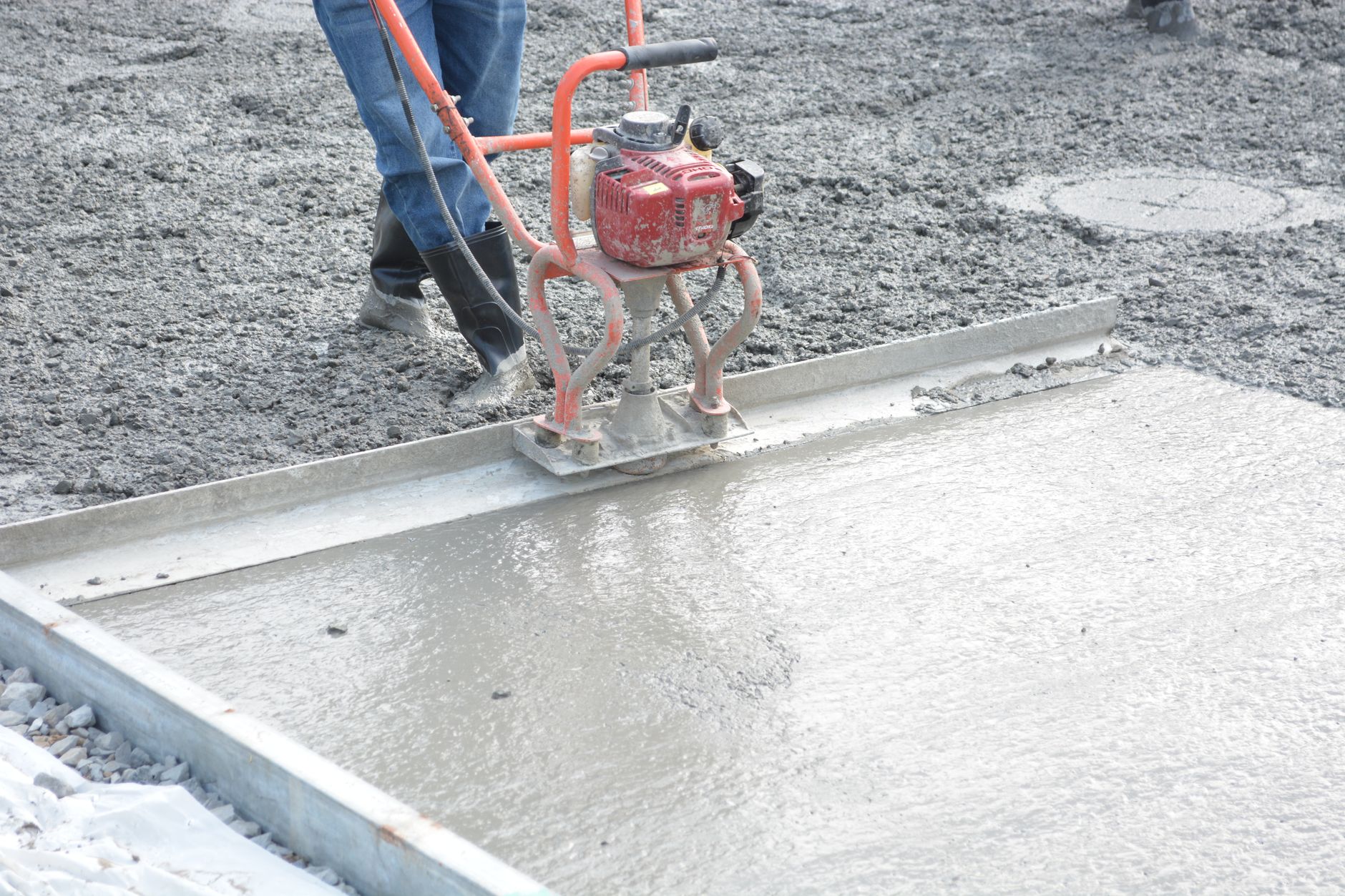
Framing typically begins after the foundation has cured for at least seven days, though many builders prefer to wait the full 28 days before applying significant structural loads. The decision depends on the concrete mix strength, curing conditions, and the type of construction going on top. Your contractor and structural engineer should coordinate on this timeline. For a deeper look at concrete foundation services and what to expect, our service page walks through the process. You can also explore our concrete installation services for a complete overview of how TurnKey Concrete Team handles every phase of the job.
Patience during the curing phase pays off for decades. A foundation that receives proper curing develops the full strength, durability, and water resistance it was designed for. Rushing this process leads to surface defects, reduced load capacity, and a shorter overall lifespan. If you want professional guidance on your upcoming foundation project, learn more about extending the lifespan of your concrete or call TurnKey Concrete Team at (504) 294-3820. You can also reach us through our contact page. We serve the greater New Orleans area Monday through Friday from 7 a.m. to 6 p.m., Saturday from 8 a.m. to 6:30 p.m., and Sunday from 10 a.m. to 4 p.m.
Concrete reaches its full design strength at 28 days under standard curing conditions. The initial set occurs within 24 to 48 hours, and about 70 percent of strength develops by day seven. Concrete continues gaining small amounts of strength beyond 28 days, but the rate slows considerably.
Light foot traffic is generally safe after 24 hours for most residential concrete mixes. However, heavy equipment, building materials, and construction loads should be kept off the foundation for at least seven days to avoid damaging the surface or causing cracks in the partially cured concrete.
High temperatures accelerate the initial hydration reaction, but this is not necessarily a good thing. Rapid curing in hot weather often leads to lower ultimate strength, thermal cracking, and surface defects. Contractors compensate by using retarding admixtures, scheduling early morning pours, and applying curing compounds promptly.
If the surface loses moisture too fast, the hydration reaction stops in the outer layer. This creates a weak, dusty surface that is prone to cracking, scaling, and reduced durability. Proper curing methods such as water curing, curing compounds, or plastic sheeting prevent this problem.
Most builders begin framing after seven days of curing, when the concrete has reached approximately 70 percent of its design strength. For heavier structures or more conservative approaches, waiting the full 28 days is recommended. The decision should be made in coordination with the structural engineer.
Louisiana’s high humidity helps prevent rapid surface drying, which is beneficial during curing. However, the combination of high heat and humidity can cause thermal cracking if the concrete hydrates too quickly. Experienced local contractors adjust their mix designs and pour schedules to account for these conditions.
 TurnKey Concrete Team
  May 11, 2026