Call For Free Estimate
Call For Free Estimate

Louisiana commercial foundations must comply with the 2021 International Building Code (IBC) as adopted by the state, along with local amendments such as New Orleans’ pile foundation requirements, FEMA flood zone elevation standards, and ADA accessibility mandates. Understanding these codes before breaking ground helps avoid costly delays, failed inspections, and structural hazards.
If you are planning a commercial construction project in Louisiana, one of the most important steps happens before the first shovel hits the ground. Foundation building codes exist to protect both the structure and the people who use it, and Louisiana has a unique set of requirements shaped by the state’s soil conditions, flood exposure, and hurricane risk. At TurnKey Concrete Team, we help business owners and developers navigate these requirements with confidence.
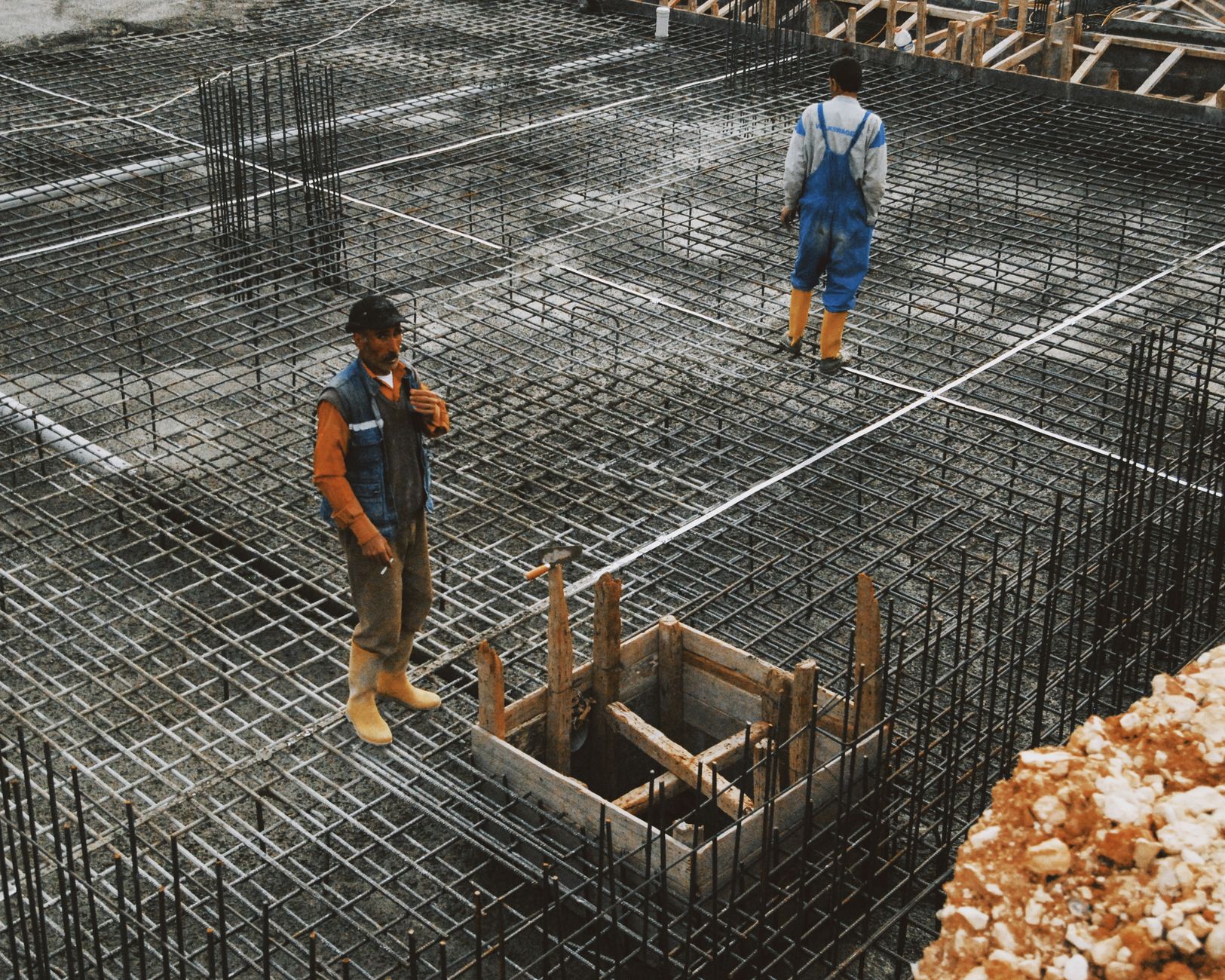
Louisiana adopted the 2021 International Building Code (IBC) as its statewide standard for commercial construction. This means every commercial foundation in the state must meet the structural, material, and safety benchmarks set by the IBC, plus any Louisiana-specific amendments. Chapter 18 of the IBC covers soils and foundations in detail, addressing everything from soil investigation requirements to deep foundation design. For anyone comparing residential and commercial options, our guide on slab vs. pier foundations in New Orleans offers helpful context.
The state requires a licensed geotechnical engineer to perform soil testing before commercial foundation work begins. This investigation determines soil bearing capacity, identifies problematic clay layers, and measures the depth of the water table. In south Louisiana, where soft alluvial and expansive clay soils are common, these tests frequently reveal conditions that call for deep foundation systems rather than simple spread footings.
New Orleans has adopted additional local amendments that go beyond the state code. One of the most significant is the city’s requirement for pile foundations in many commercial applications. Because much of New Orleans sits on soft, compressible soils with a water table often just one to two feet below the surface, the city’s Department of Safety and Permits frequently mandates driven piles or drilled shafts to reach stable bearing strata. This requirement applies to most commercial structures and many multi-family residential projects within Orleans Parish. Contractors offering commercial concrete foundation services in the area must be well-versed in these local standards.
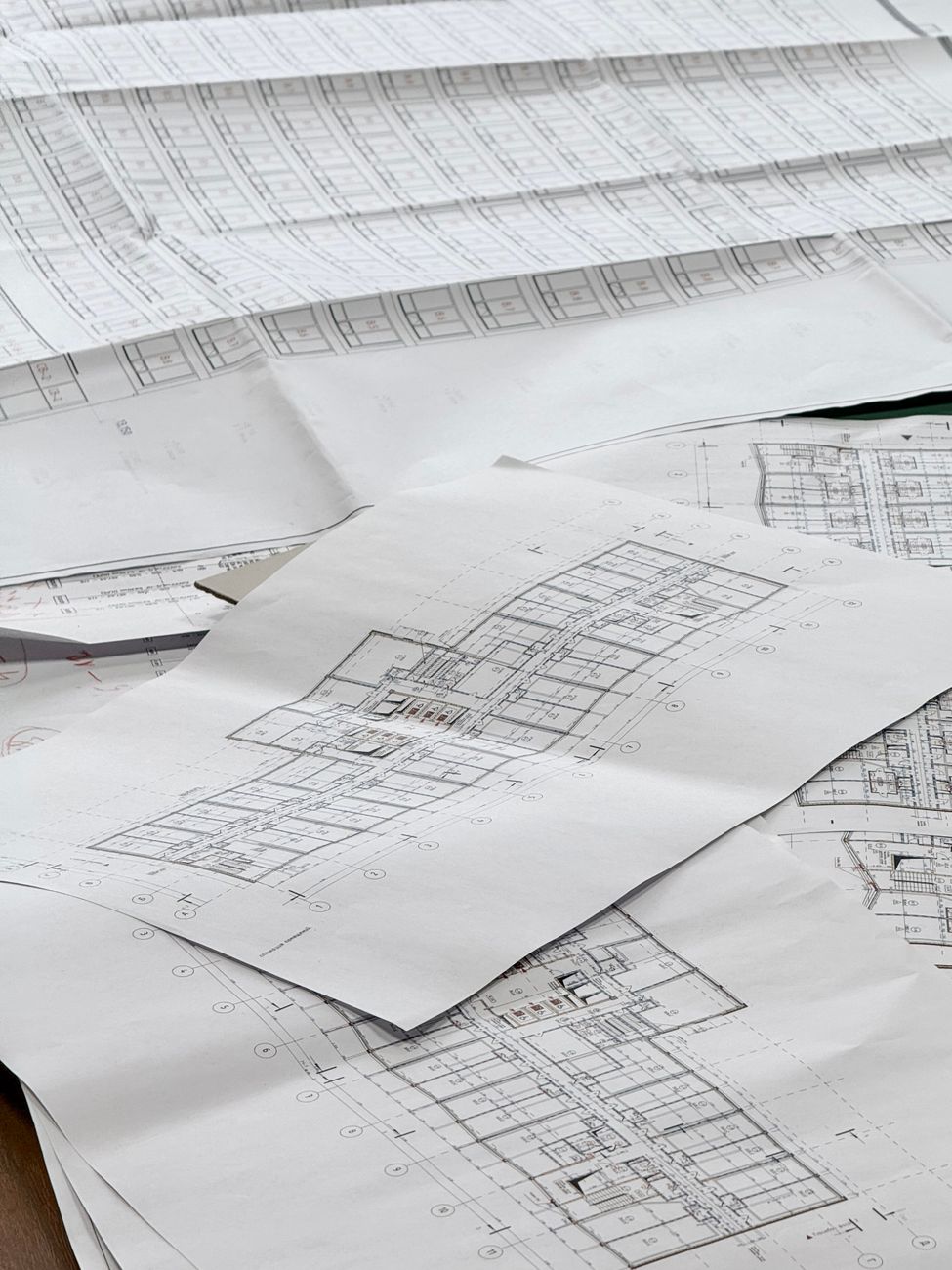
The IBC requires that deep foundations be analyzed and designed in accordance with Sections 1810.1 through 1810.4. Group effects on both lateral and axial behavior must be evaluated when pile spacing is tight. In New Orleans, this often means engineering calculations need to account for both the weak upper soils and the lateral loads from potential hurricane-force winds.
A large portion of commercial property in Louisiana falls within FEMA-designated flood zones, and the foundation requirements for these areas are strict. In A Zones, commercial structures must either be elevated above the Base Flood Elevation (BFE) or be dry-floodproofed with reinforced, watertight walls below the BFE. Most Louisiana communities, including New Orleans, require at least one foot of freeboard above the BFE. In Orleans Parish specifically, new construction must sit at least one foot above BFE or three feet above the highest adjacent curb, whichever is greater.
In V Zones, which are coastal high-hazard areas, commercial foundations must use pilings or columns rather than solid walls. Breakaway walls are required for any enclosed space below the lowest horizontal structural member. All mechanical, electrical, and plumbing systems must be installed at or above the BFE. For property owners already dealing with water-related challenges, our article on concrete sealing in New Orleans covers additional protective measures.
Commercial buildings in Louisiana must also meet Americans with Disabilities Act (ADA) requirements, and the foundation design plays a direct role. The finished floor elevation must allow for accessible entrances with proper slope ratios. When flood zone requirements push the building elevation higher, designers must incorporate ramps or lifts that meet ADA slope maximums of 1:12. Foundation planning needs to account for these accessibility features from the earliest design stages, because retrofitting after construction is far more expensive.
Obtaining a commercial foundation permit in New Orleans involves several steps. First, a complete set of engineered foundation plans must be submitted to the Department of Safety and Permits, along with the geotechnical report. The plans must show compliance with the IBC, local amendments, FEMA requirements, and ADA standards. Review times vary, but applicants should expect four to eight weeks for commercial projects. TurnKey Concrete Team works closely with engineers and permit offices to keep the process on track. You can learn more about how professional installation supports this process in our post on the benefits of professional concrete installation.
Inspections occur at multiple stages. The city typically requires inspections after excavation, after pile driving or shaft drilling, before concrete placement, and after the foundation is complete. Failing any inspection can halt the project until corrections are made, so working with an experienced contractor reduces the risk of delays significantly.

Louisiana code requires that all commercial projects include a geotechnical investigation conducted by a licensed professional. The investigation must evaluate soil type, bearing capacity, groundwater levels, and the potential for settlement or liquefaction. In the greater New Orleans area, borings are typically required to depths of 50 feet or more to reach stable clay or sand layers suitable for pile support. The geotechnical report becomes part of the permit application and directly influences foundation design decisions. For those interested in long-term structural health, our article about prolonging concrete structure life is a valuable resource.
Commercial foundation codes in Louisiana are detailed and layered, with state, federal, and local requirements all intersecting. The best way to ensure compliance and avoid expensive surprises is to work with a concrete foundation contractor who understands Louisiana’s unique regulatory landscape. Whether your project involves a retail center in Metairie, a warehouse in Kenner, or a restaurant in the French Quarter, getting the foundation right is the most important investment you will make.
If you have questions about commercial foundation requirements in Louisiana, reach out to TurnKey Concrete Team at (504) 294-3820 or visit our contact page. We are here Monday through Friday from 7 a.m. to 6 p.m., Saturday from 8 a.m. to 6:30 p.m., and Sunday from 10 a.m. to 4 p.m.
Louisiana has adopted the 2021 International Building Code (IBC) as its statewide standard for commercial construction. Chapter 18 specifically addresses soils and foundations, covering requirements for soil investigation, shallow foundations, deep foundations, and structural fill.
In many cases, yes. Because New Orleans sits on soft, compressible soils with a high water table, the city’s Department of Safety and Permits frequently mandates driven piles or drilled shafts for commercial structures. The specific requirement depends on the geotechnical investigation results and the building’s size and load.
In A Zones, commercial structures must be elevated above the Base Flood Elevation or dry-floodproofed with reinforced walls. In V Zones, pile or column foundations are required, and breakaway walls must be used below the lowest structural member. Most communities require at least one foot of freeboard above the BFE.
Commercial foundation permits in New Orleans typically take four to eight weeks for review and approval. The timeline depends on the complexity of the project, the completeness of the submitted plans, and current workload at the Department of Safety and Permits.
Yes. Louisiana code requires a geotechnical investigation conducted by a licensed professional for all commercial projects. The investigation must evaluate soil type, bearing capacity, groundwater levels, and settlement potential. In the New Orleans area, borings often extend 50 feet or deeper.
Commercial foundations must allow for accessible entrances that meet ADA slope requirements of 1:12 maximum. When FEMA flood zone rules push building elevations higher, the foundation design must incorporate ramps or lifts to maintain accessibility. Planning for ADA compliance from the start avoids costly retrofits later.
 TurnKey Concrete Team
  May 6, 2026